
Posted October 08, 2025 in Fertility Blog & Information
16 minute read
Key Takeaways
- Compare local fertility clinics by services, technology, staff, and travel time to find the best fit for you.
- Focus on those clinics that are using cutting-edge lab techniques like ICSI, embryo vitrification, and genetic screening to maximize IVF success and minimize risk.
- Search for individualized treatment plans and multidisciplinary teams that customize medications and protocols to specific conditions like PCOS, endometriosis, or recurrent miscarriage.
- Take advantage of support services such as counseling, care coordinators, and online resources to handle the emotional and logistical hurdles during treatment.
- Consider cost breakdowns, insurance coverage details, and financing options before starting treatment. Take advantage of clinic billing resources for clear next steps.
- Before your initial appointment, collect your medical history, compile a list of questions regarding diagnosis and treatment, and establish expectations with your care team.
===
A fertility clinic near Pasadena and Deer Park offers testing, fertility treatments such as IVF and IUI, and counseling to inform care plans.
Staff may comprise reproductive endocrinologists, nurses, and mental health counselors who monitor cycles and tweak medications.
Prices, success rates, and insurance coverage differ by clinic, so comparing services and results assists in selecting the appropriate provider.
Navigating Your Options
When it comes to locating a fertility clinic near Pasadena and Deer Park, it’s a balancing act among services, access, expertise, cost, and emotional support. Compare local reproductive clinics and general fertility centers across northwest Indiana suburbs and nearby urban areas to match your priorities. Some focus on basic fertility care and IUI. Others offer full IVF programs, egg freezing, donor services, and LGBTQ+ or surrogacy pathways.
Think about clinic hours, transit or parking, and how accessible a specialist is within days.
1. Technology
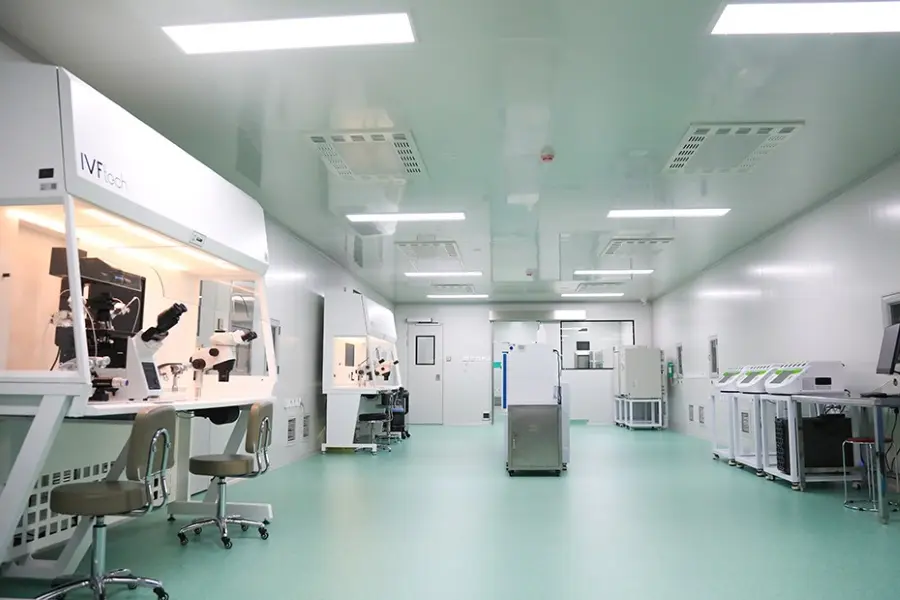
Clinics now cite embryo cryopreservation and ICSI as standard tools. Cutting-edge lab technology, including time-lapse incubators and rigorous culture systems, can optimize embryo selection and viability throughout your IVF cycles. PGD and PGS are widely available for chromosomal or single-gene concerns.
They add screening time and cost but mitigate certain transfer risks. Modern science assists in boosting per cycle success, especially when labs pair ICSI with genetic testing. Results remain influenced by age and egg quality.
2. Expertise
Board-certified reproductive endocrinologists head most good clinics. Our friends at New Hope Fertility Center are known practitioners in the area. Care teams consist of nurse practitioners, ultrasonographers, embryologists, and lab technicians whose behind-the-scenes steady work underscores treatment consistency.
For example, clinics might share success case histories and live-birth statistics to show experience. Multidisciplinary care often unites urologists, gynecologists, and fertility nurses so exams, surgeries, and orchestrated cycles are managed in a single route.
3. Personalization
Clinics craft your care plan from history, age, and tests. Medication dosages and cycle calendars are configured on a per-patient basis. Minor adjustments in stimulation or transfer timing can impact results.
Staff modify regimens for PCOS, endometriosis, or recurrent miscarriage with drug selections and timing of monitoring. Caring docs and staff create magic for those facing long waiting lists, failed cycles, or difficult decisions around egg donation or surrogacy.
4. Support
Our care coordinators and nurses take the lead on appointments, insurance hurdles, and cycle logistics so patients have less admin. Counseling and emotional-wellness services are accessible at numerous sites. Support groups and live webinars alleviate isolation and stress.
Online portals allow patients to monitor test results, submit questions, and participate in online support group meetings. Partner participation and clear clinician messaging help alleviate anxiety around decision points and complicated treatments.
5. Transparency
Insurance is different, and some insurers pay for diagnostic testing or partial IVF, although a lot of patients finance through LendingClub or clinic payment plans. Transparent price lists for IVF cycles, egg freezing, and tests make it easier to compare clinics.
Clinics must offer pre-authorization navigation, billing support, and down-to-earth resources like parking maps and fee guides because no one likes surprises.
Core Fertility Services
With core services at clinics near Pasadena and Deer Park, it covers the entire patient journey from initial consults to complex third-party arrangements. Basic services include initial evaluation, diagnostic testing, personalized treatment planning, surgical options, fertility preservation, and counseling.
Clinics integrate lab work, imaging, and genetic screening with medication protocols and procedural care to provide a spectrum of reproductive options for a variety of family-building aspirations.
Diagnostics
Standard diagnostic tests include ovarian reserve assessment, the Clomid Challenge Test, hysteroscopy, laparoscopy, semen analysis, and transvaginal ultrasound. Ovarian reserve is measured by blood markers such as anti-Müllerian hormone and follicle-stimulating hormone, often paired with antral follicle count on ultrasound.
The Clomid Challenge Test evaluates ovarian response over a short cycle to guide treatment choice. Infertility diagnosis uses a mix of blood specimens, pelvic imaging, and a detailed medical history. Blood tests check hormones, ovulation, and markers for conditions like thyroid disease.
Ultrasound shows uterine shape, fibroids, and ovarian follicles. Semen analysis assesses count, motility, and morphology. Advanced sperm testing may look at DNA fragmentation. Genetic testing and advanced imaging identify inherited conditions and structural issues impacting fertility.
Preconception carrier screening can provide guidance on donor selection or embryo testing. High-resolution ultrasound, saline infusion sonography, and MRI are used when standard imaging is inconclusive.
Numbered list of standard diagnostic tests:
- Ovarian reserve testing includes AMH, FSH, estradiol, and antral follicle count to approximate remaining eggs.
- Clomid Challenge Test — abbreviated protocol to evaluate ovarian responsiveness and guide stimulation dosing.
- Male testing for sperm quality includes semen analysis, repeat testing, and when needed, advanced assays like DNA fragmentation or antisperm antibody tests.
- Hysteroscopy and laparoscopy provide direct visualization and potential repair of uterine or pelvic pathology such as polyps, adhesions, or endometriosis.
Treatments
Treatments offered include timed intercourse, IUI, and IVF with ICSI. Clinics provide donor egg and sperm programs, embryo donation, and gestational surrogacy as third-party reproduction alternatives. IUI is when they take prepared sperm and insert it into your uterus.
Advanced protocols include single embryo transfer to reduce multiple pregnancy risk and reciprocal IVF for same-sex female couples where one provides eggs and the other carries the pregnancy. Surgical procedures such as hysteroscopy, myomectomy, and tubal reversal consultation are offered for structural causes of infertility.
Medication management, including ovulation induction, luteal support, and tailored stimulation, is paired with frequent monitoring visits for timing and dose adjustments.
Preservation
Fertility preservation via oocyte cryopreservation, embryo freezing, and sperm banking. Egg freezing perks cancer patients or those postponing parenthood. Embryos offer more survivals in certain circumstances.
Sperm banking and embryo donation widen options for single parents, LGBT couples, and those receiving gonadotoxic treatments. Clinics take a protocol-based approach to preserve reproductive potential: baseline testing, controlled ovarian stimulation for egg retrieval, lab cryopreservation, and clear storage agreements.
Counseling on success rates, costs in uniform currency, and emotional support services is also provided.
The Local Perspective
Pasadena, Deer Park, and the surrounding northwest Indiana communities have a lot of common needs and unique differences in fertility care. Many local patients have conditions that require a team approach medically and emotionally, like endometriosis, PCOS, and recurrent miscarriage. Services such as IVF, egg freezing, and surrogacy are readily accessible in Pasadena and neighboring Los Angeles, with this abundance of clinics translating into greater availability of bespoke treatments.
Pasadena, in particular, has one of the largest third-party reproduction programs for those who are unable to carry a pregnancy, including sperm donation, embryo donation, and surrogacy.
Community
Pasadena and Deer Park area clinics frequently collaborate with local support groups and host educational events to advocate for fertility care. Several offer or link to LGBTQ+ family resources, such as info sessions on legal parentage pathways and shared-parenthood options. Our partnerships with hospitals, including Methodist Hospital in Indiana and Northwestern Memorial Hospital in Chicago, provide backup for the most intricate cases and provide access to surgical teams and neonatal care when necessary.
Building a local support network matters: counseling services, peer groups, and patient navigators help people make choices and stay resilient. Patient stories frequently highlight not just clinical success, but the comfort of discovering compassionate personnel and community initiatives. These anecdotes capture both medical and psychosocial impact.
Commute
Selecting a clinic nearby reduces both your travel time and stress. Pasadena clinics congregate around light rail lines and boulevards, whereas your Deer Park and Valparaiso choices might involve some driving, but less parking hassles and quieter appointments. Public transit connections, shuttles, and freeway access differ by location.
A few of the clinics provide downloadable patient parking maps and driving directions. Parking options include on-site lots and validated garage parking. For out-of-town guests, local hotels like Hilton Pasadena and the Residence Inn provide easy short stays and family-friendly rooms, which is a blessing when a treatment plan extends over a couple of days.
Culture
Local clinics highlight cultural sensitivity and inclusivity, often providing multilingual staff and translated materials for non-English speakers. Examples of initiatives include customized support for single parents, dedicated programs for LGBTQ+ couples, and transparent details about third-party reproduction alternatives.
Respect for patient values and privacy is embedded in intake processes and consent forms, and clinics frequently train counselors to present options in an unbiased manner. This attention makes patients with diverse experiences feel recognized and empowered as they make challenging medical choices.
Advanced Treatment Protocols
Advanced treatment protocols at our clinics in Pasadena and Deer Park integrate advanced, time-tested assisted reproductive treatments with newer, investigational options to deliver the best outcomes for even the most complex infertility cases.
These advanced treatment protocols consist of IVF and its adjuncts eSET, ICSI, embryo vitrification, egg freezing, and PGT. Our teams evaluate each case with fertility testing such as hysteroscopy, laparoscopy, and ovarian reserve testing to create an individualized plan.
Genetic Screening
PGD and PGS test embryos before transfer. PGD tests for a known single-gene disorder and PGS screens for chromosomal aneuploidy to identify and select chromosomally normal embryos.
Benefits include less risk of miscarriage, less risk of some birth defects, and better selection for couples with recurrent pregnancy loss or known genetic risks. It starts with IVF to generate embryos, then biopsies a few cells from each blastocyst and analyzes or classifies them.
We match ideal embryos to transfer based on chromosomal health, absence of targeted mutations, and overall embryo morphology. Clinics usually combine testing with genetic counseling. Counselors detail possible results, testing limitations, and considerations for family planning.
This counseling facilitates informed consent and assists patients in considering options such as donor gametes or transfer of euploid embryos only.
Lab Techniques
ICSI is used when sperm factors cause fertilization limitation or in cases of prior failed IVF cycles. An experienced embryologist injects a single sperm directly into an egg to enhance fertilization success.
Embryo vitrification, a quick-freeze technique, maintains embryos and eggs with high post-thaw survival, underpinning egg preservation and delayed transfer approaches. The lab relies on seasoned embryologists and technicians tracking fertilization rates, embryo cleavage and blastocyst formation.
Their expertise impacts implantation rates. Quality control is continuous. Air quality systems, calibrated incubators, validated culture media, and regular proficiency testing reduce variability.
State-of-the-art equipment enables time-lapse embryo selection and more precise temperature control during vitrification. The clinic has a track record of results demonstrating increased blastulation and implantation when utilizing these protocols in conjunction with rigorous lab standards and experienced personnel.
| Metric | Clinic Track Record |
|---|---|
| Fertilization rate (with ICSI) | Consistently above regional averages |
| Blastocyst formation | High proportion reach day 5–6 stage |
| Thaw survival (vitrified embryos) | >90% survival reported |
| Live birth rate per transfer | Comparable to top-tier centers |
Beyond Medical Care
Our fertility care at our clinics near Pasadena and Deer Park extends beyond diagnostics and procedures. Holistic patient care acknowledges that starting a family is usually accompanied by stress, anxiety, and lifestyle questions that impact outcomes. Clinics organize services to bolster emotional, financial, and social needs with medical care to assist patients through a lengthy and occasionally isolating journey.
Emotional Wellness
Counseling is offered onsite and via telehealth so patients can schedule without additional travel. Licensed therapists provide individual counseling on grief, anxiety, and treatment decisions. Couples counseling helps partners navigate differing expectations and strong communication through the cycles and results.
Stress reduction programs provide practical coping skills, including breathing exercises, progressive muscle relaxation, and short guided meditations customized for treatment days. Nutrition and exercise counseling helps patients initiate small habits that can assist reproductive health and reduce stress.
Peer-led workshops cover topics like how to emotionally pace yourself over months of treatment and how to navigate setbacks. Group therapy and peer support networks convene regularly, in small groups or larger community meetups. These communities bring together individuals confronting the same decisions: IVF, donors, freezing.
Members can exchange pragmatic advice and anecdotal experience. Clinics even have moderated forums for anyone who likes their support text-based.
- Individual counseling with licensed mental health professionals
- Couples and family therapy sessions
- Short-term crisis counseling for acute stress
- Mindfulness and stress-reduction classes
- Peer support groups and moderated forums
- Telehealth options for remote access
Financial Guidance
Financial programs include insurance verification, flexible payment plans, and partnerships with third-party lenders who specialize in medical financing. Clinics often provide package pricing for cycles and discounts on multiple cycles or shared-risk plans.
| Service | Typical cost (USD) |
|---|---|
| IUI (per cycle) | 500–2,000 |
| IVF (per cycle) | 10,000–20,000 |
| Egg/sperm freezing (per cycle) | 6,000–15,000 |
Our staff coordinate directly with insurers to submit pre-authorizations and explain what parts of treatment are covered. They describe standard benefit maximums, usual uncovered expenses, and how to challenge refusals.
Financial counselors walk patients through options step by step: verify benefits, estimate total cost, choose a plan, and set up billing or financing. To obtain financial counseling, call the clinic’s billing office or schedule a virtual appointment.
Bring your insurance cards, recent pay stubs if you’re applying for income-based plans, and a list of questions about coverage. Counselors draw up personalized cost estimates and put payment arrangements in writing.
Your First Consultation
Your first consultation is where you put your history, goals and immediate next steps on the table with a fertility specialist. Anticipate a concentrated examination of medical records, family history, medications and lifestyle factors such as smoking, alcohol, weight and exercise. The practitioner will inquire about previous pregnancies, your menstrual cycle, any surgeries and diagnoses such as endometriosis, PCOS or male factor.
A physical exam is typical and may incorporate a pelvic exam with basic vitals to temper the clinical picture. Diagnostic testing is usually planned or begun at this visit. Typical tests include blood work to check hormone levels, for example, day-3 follicle-stimulating hormone and anti-Müllerian hormone, infectious disease screening, and, when relevant, semen analysis for a male partner.
Imaging such as a transvaginal ultrasound may be ordered to assess ovarian reserve and uterine anatomy. The clinician will explain each test, why it matters, what it measures, and a realistic timeline to get results back and interpret them. Scheduling and paperwork begin the moment you exit the room. Clinics in Pasadena and Deer Park typically provide online portals to upload prior records, insurance information, and consent forms.
Call or use the portal to schedule any follow-up scans, bloodwork, or partner testing. Bring a photo ID, updated medication lists, and any previous relevant tests such as ultrasounds or genetic screens. If you have insurance, bring the card and authorization information. If you do not have insurance, inquire about self-pay and fees in one clear figure in your currency.
Questions to Ask
- What are the likely causes for my fertility issues?
- About your initial consultation, what tests do you recommend and why?
- What are the timeframes and expenses for each?
- What kind of side effects and risks should I anticipate?
- What success rates exist for my age and diagnosis?
- How disruptive is treatment going to be to my daily life and work?
- Do they have emotional support or counseling services?
Note these questions down and bring the list. Requesting written summaries is useful if anxiety freezes memory. Establishing goals gives shape to care. Come prepared to say either you want TTC, IUI, IVF, or preservation and talk about realistic odds for each.
Reach an agreement on near-term steps, which are experiments to try out over the next month, and longer-term benchmarks such as when you would consider switching strategy. Bring someone supportive if helpful. Most people find the initial visit overwhelming and emotional and like to have someone to remind them what was said.
You should come away from the visit with a defined plan and next steps.
Conclusion
Having some solid information makes locating a fertility clinic near Pasadena and Deer Park less difficult. Local clinics list services, success rates, and cost up front. Most provide IVF, IUI, genetic testing, and egg freezing. Others include counseling, financial assistance, and donor matching. The clinic staff greet the patients with compassion and transparent plans. Simple checkpoints help pick a clinic: clinic outcomes, lab quality, patient reviews, and insurance support. One example is a clinic that posts live birth rates and offers sliding fee plans, which makes budgeting easier. Another clinic that combines counseling with treatment aids individuals in managing the situation. Take the time to shop around and inquire with specific questions regarding procedures and fees. Contact two clinics this week to arrange your initial appointment.
Frequently Asked Questions
What fertility services do clinics near Pasadena and Deer Park typically offer?
The majority of clinics provide fertility testing, ovulation induction, intrauterine insemination (IUI), in vitro fertilization (IVF), egg and sperm freezing, and fertility counseling. Verify clinic websites for specific service lists and success rates.
How do I choose the right clinic between Pasadena and Deer Park?
Compare success rates, expertise, patient reviews, and treatment costs and insurance coverage. Schedule consultations to determine the communication, clinic culture, and advanced technologies available.
What should I bring to my first fertility consultation?
Take ID, insurance information, records, recent tests, medication, and a list of questions. Come ready to answer questions about medical history, periods, and previous treatments.
How long does the IVF process usually take from start to embryo transfer?
A standard IVF cycle lasts 4 to 6 weeks from ovarian stimulation to embryo transfer. Timelines depend on patient response and your clinic’s protocols. Your clinic will provide a personalized schedule.
Are fertility treatments covered by insurance near Pasadena and Deer Park?
Coverage depends on your insurer and plan. Some policies include tests or procedures. Request insurance verification and cost estimates from your clinic’s billing team before you begin treatment.
What advanced treatments are available if standard IVF fails?
PGT, donor eggs or sperm, gestational surrogacy, and personalized stimulation protocols are among the options. Talk to a reproductive endocrinologist about what your best next steps are.
What non-medical support do clinics provide?
Most clinics provide counseling, support groups, nutrition advice, and stress-relief resources. These services support emotional well-being and can increase both treatment adherence and outcomes.