Posted July 28, 2025 in Fertility Blog & Information
14 minute read
Key Takeaways
- Toxic chemicals from certain cookware materials can disrupt hormones and negatively affect fertility, making it important to choose safe kitchen products.
- Nonstick coatings, BPA-laden plastics, PFAS chemicals, and heavy metals are all associated with fertility problems and could potentially lead to the kind of cellular damage that affects pregnancy outcomes.
- Even routine cooking activities, like high heat and using plastic spatulas, can contribute to exposure. Air quality monitoring and using the right heat settings mitigates risk.
- It’s why safer options like cast iron, stainless steel, glass and solid ceramic cookware are so important — they’re incredibly durable, non-toxic cooking surfaces that encourage healthier cooking.
- Periodically check cookware for deterioration, replace when necessary and clean with mild substances to avoid toxic leach into food.
- Stay ahead of the curve on new, cutting-edge cookware materials and advocate for manufacturers to consider health and environmental safety for the long term.
These are health risks associated with some cookware materials which can negatively impact reproductive health. Turns out, some non-stick pans, aluminum and old ceramic pots can leach chemicals like perfluorooctanoic acid (PFOA), or lead or cadmium during cooking. Exposure to these substances can decrease fertility in both men and women, with associations to hormonal disruption and decreased sperm or egg quality. Multiple health organizations now caution against frequent exposure to cookware with these chemicals — particularly for folks trying to conceive. Safer alternatives such as stainless steel, cast iron, or glass are frequently recommended. The remainder of this guide examines which cookware is dangerous and how to select safer options for daily use.
The Fertility Connection
Toxic cookware has become a common concern for fertility and reproductive health. Almost every home uses cookware that leeches endocrine disrupting chemicals in pregnancy. Being mindful of these hazards can assist individuals in making smarter decisions and reducing their toxin exposure.
1. Chemical Culprits
Nonstick coatings such as Teflon (PTFE) release toxic fumes if overheated. By overheating these pans, you may be exposing yourself to PFAS, chemicals that can decrease fertility. Plastic cookware might have BPA, a hormone-disrupting chemical that could be harmful to your reproductive system. PFAS chemicals — aka ‘forever chemicals’ — stay in the body for YEARS. Exposures to PFAS have been linked to diminished clinical pregnancy and live birth rates in both males and females. Heavy metals like lead and cadmium, occasionally present in cheap cookware, can be seriously harmful to fertility.
2. Hormonal Disruption
Synthetic chemicals from cookware can mimic hormones, throwing the endocrine system awry. Phthalates, which are commonly found in plastics, are notorious for disrupting hormone balance, which can damage both male and female fertility. Environmental toxins, exposure to which can come even from cookware, can reduce sperm quality, interfere with ovulation, and heighten the risk of pregnancy complications. Long-term hormone disruption can even cause fetal growth problems and increased infertility in adulthood.
3. Exposure Pathways
It’s common for most people to be exposed to cooking toxins from everyday practices, like overheating nonstick pans or using plastic utensils with hot food. Heat can increase the emission of toxic gases and chemicals into food and air. Using plastic cookware, particularly in microwaves or with hot foods, increases the risk of chemical leaching. Good kitchen ventilation and attentive cooking can keep indoor air safer.
4. Cellular Damage
Toxins from cookware can lead to oxidative stress and damage cell health. Chemical exposure could harm DNA in sperm and eggs, imperiling embryo development and fetal health. Shielding cells in pregnancy is important for optimal outcomes. Something as simple as choosing safer cookware can make a difference.
Identifying Risks
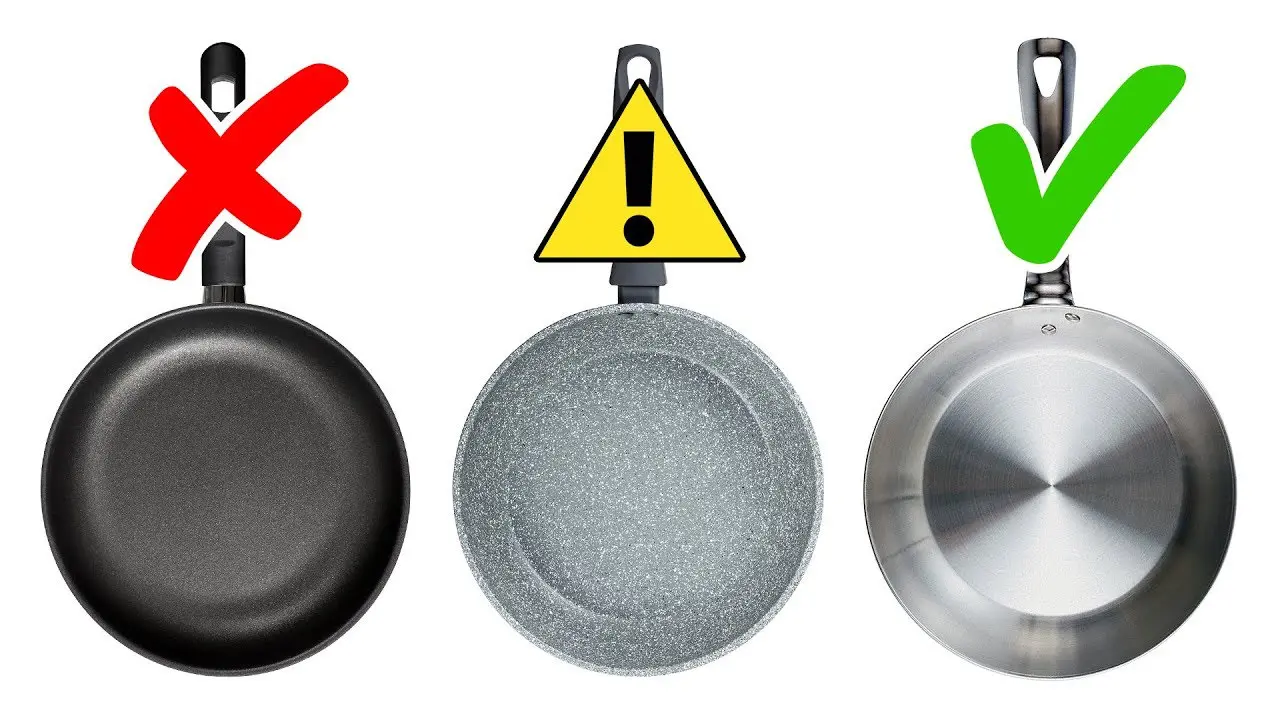
Certain cookware can release compounds that are bad for fertility and health. The primary concerns are with PTFE-lined non-stick pans, known as Teflon. Once these pans heat past 163°C or get scratched, they can begin to emit PFOA and other perfluoroalkyl substances (PFASs). These chemicals don’t biodegrade quickly in the body or the environment. It can take as long as five years for your body to eliminate them. If you’re pregnant, research indicates that exposure to PFASs increases your child’s risk of allergic reactions, asthma and even skin conditions like atopic dermatitis. PFASs can increase the likelihood of preeclampsia, a life-threatening pregnancy complication. A few preliminary studies connect PFASs with shifts in thyroid hormones in moms and infants alike, though further research is warranted.
Cookware warning signs that it might be risky are peeling or flaking on the surface, or strange colors. If a pan’s non-stick coating is flaking off or appears speckled, it may be leaching chemicals into your meals. Even ‘safe’ pans can off-gas toxins when cooking at high heat, like searing steaks. This risk is not exclusive to any one country or brand, as non-stick cookware is manufactured and retailed globally. Some newer non-stick pans utilize GenX chemicals rather than PFOA. GenX isn’t well-studied, and initial reports indicate it can continue to contaminate.
Brands that have been associated to elevated PFASs or PFOA levels are typically less expensive, non-certified imports, but even well-known brands have had recalls or lawsuits. Stainless steel, cast iron, and glass are safer bets because they don’t depend on chemical coatings.
Checklist for safe cookware:
- Test for a glaze. If it’s non-stick, discover if it’s PTFE or PFOA.
- Check for scratches or peeling, which may indicate that chemicals are leaching.
- See if the brand is “PFOA-free” or “PFAS-free” certified.
- For everyday, stick with stainless steel, cast iron or glass.
- Avoid using very high heat on any coated pan.
Safer Cookware
Safer cookware can reduce the risk of exposure to fertility-harming toxic chemicals. The table below shows the main benefits of popular safer cookware types:
| Cookware Type | Key Benefits |
|---|---|
| Cast Iron | Natural nonstick, adds iron, lasts decades |
| Stainless Steel | Durable, non-reactive, easy to clean |
| Glass | Inert, doesn’t leach, resists stains/odors |
| Solid Ceramic | Non-toxic, eco-friendly, good heat retention |
| Carbon Steel | Safe, non-toxic, seasoning creates nonstick |
| Polypropylene | Lightweight, food-safe, cost effective |
| Titanium | Strong, lightweight, safe if uncoated |
Cast Iron
Seasoned cast iron pans are naturally nonstick without a chemical coating. It reduces the danger of toxic chemicals, even when cooking on high heat. Seasoning is a barrier that prevents food from sticking and eases cleanup.
Cast iron cooking provides a tiny, but actual, increase in iron intake — which can benefit individuals at risk for iron deficiency. Although not all people require an abundance of iron, it’s best to offset usage with a variety of other cookware. To maintain cast iron’s safety and durability, clean it with warm water, dry it immediately, and then apply a thin layer of oil. Never soak or use harsh soap, which will remove the seasoning and cause rust. Pans stored dry and oiled will keep you from making all the usual mishaps – rust, or pitting, etc.
Stainless Steel
Stainless is a fan favorite due to its non-reactive & non-toxic properties, even when heated up. It’s hardy and resists everyday use, drops and scrubbing. This creates a robust choice for stir-fries, boiling, and browning.
Cleaning is easy—mild soap and water. If it gets stains, a baking soda/water paste usually does the trick. Stainless steel handles high heat, so it’s great for searing and oven use. The upfront cost is usually more, but these pans endure for years, so they end up being really cheap.
Glass
| Advantage | Description |
|---|---|
| Inert surface | Won’t leach or react with food |
| Versatile | Great for baking, roasting |
| Easy to monitor | Transparent for easy viewing |
| No coatings | Free from toxic additives |
Glass is fantastic for baking, roasting, or leftovers. It doesn’t impart flavors or chemicals and is void of coatings that flake off. No hard scrubbing here, and glass fights stains and odors! Just don’t subject it to sudden temperature fluctuations that can induce cracks.
Solid Ceramic
Solid ceramic cookware is constructed from natural minerals and fired at high heat, so it’s absent of lead, cadmium, and other toxins. It’s non-reactive and eco-friendly. It resists heat and goes stove-to-oven.
Ceramic pots and pans are available in a rainbow of colors and designs, providing a decorative boost to any kitchen. To protect from chips, no metal utensils and stack cautiously. Handwashing preserves the sleekness of the glaze from abrasion.
The Bigger Picture
Toxic cookware isn’t just a personal health problem. It falls into a larger trend of public health danger linked to the chemicals in common goods. A few of these chemicals, such as PFAS, triclosan and BPA, have been specifically associated with reduced fertility. Research indicates that they can reduce a woman’s fertility by as much as 40 percent. Even beyond fertility, elevated PFAS blood levels can significantly reduce the chances for those conceiving to have a successful conception or live birth. This risk is not confined to women—men can have compromised sperm quality when exposed to some of these chemicals.
It’s an issue that extends past the household. Making and dumping the toxic cookware materials pollute air and water. PFAS, for instance, persist in the environment and bioaccumulate in humans and wildlife. They don’t fall apart. Thus nearly every American has some PFAS in their blood, but so do many other countries. With women taking care of over 70 percent of housework in the majority of locations, their exposure to these compounds is even greater, thus the risk to female fertility a larger worry worldwide.
Regulations on what chemicals are acceptable to use in cookware vary by country. Many public health experts and advocacy groups are pushing for stronger bans on hazardous substances, like PFAS, in cookware and food packaging. They say that laws should catch up to what we know now, not keep using the same dangerous chemicals.
Educating yourself on which products feature these toxic chemicals is a great first step for anyone who’s interested in reducing their risk. Numerous organizations labor to raise awareness and assist consumers in selecting safer pots and pans. Easy steps, like choosing glass, steel or cast iron over PFAS non-stick pans, can have an impact. Community talks and local policy changes assist individuals in opting for safer alternatives and advocating for improved regulations.
Smart Usage Guide
Cookware safety is a must for any home cook, regardless of experience level. Toxic chemicals from cookware can affect fertility and long term wellness. Developing intelligent habits around heat use, utensil selection, cleaning and prompt replacement mitigates dangers and maintains the safety of daily kitchen endeavors for all.
- Stick to low to medium heat to maintain nonstick surfaces.
- Never preheat cookware when empty, especially nonstick pans
- Monitor cooking temperature with a thermometer when possible
- Share safe heating tips with others in your household
Proper Heat
Cooking at moderate temperatures reduces the risk of toxin release from PTFE nonstick pans. Overheating may cause these pans to give off fumes. If you cook with nonstick, don’t ever heat an empty pan or heat it up on high and keep an eye out for signs of overheating such as smoke or weird smells.
Teaching kitchen users safe heating is equally important. A lot of people don’t realize how quickly empty pans — particularly nonstick ones — can get dangerously hot. Glass and cast iron pans don’t carry this risk, but still cook best on medium heat for most foods.
Utensil Choice
It does help to use the proper cutlery! Wooden or silicone spatulas help prevent chemical leaching and won’t scratch nonstick coatings. Don’t put metal on nonstick, it’ll chip the coating and make the pan less safe.
Non-toxic glass, wood or top-quality silicone utensils don’t leach into food. Urge family and friends to utilize secure tools as well. Mixing up cookware – going cast iron with some meals and glass with others – helps limit your exposure to any one material.
Cleaning Care
Light, non-toxic cleaners keep cookware safe. Abrasive pads will scratch coatings and make your pans more likely to leach. Inspect your pots and pans frequently for chipped, rusted or worn areas.
Establish a cleaning regimen for your pan. This can help catch issues early and keeps your kitchen free of residual pathogens. Don’t forget, 100% ceramic pans chip if you drop them, so please, be careful!
Replacement Signs
Watch for chips, peeling, or warped surfaces — they’re the sign it’s time to replace cookware. Even premium stainless steel endures decades only if tended—cheap pans might have to be swapped out in a matter of years. If you see food sticking more or weird flavors, these are indications your cookware is breaking down.
Transition to safer options as older pans wear. Get into the routine of auditing your kitchenware every year or two. Remember, it’s complicated to test for heavy metals, but routinely inspecting and rotating your cookware can significantly minimize risk.
Future Materials
Old cookware can let out toxins that may harm health and fertility. New materials are now in the works to make cooking safer for everyone. Many people want cookware that will not add harmful chemicals to their food, even at high heat. Researchers have found some older materials, like non-stick Teflon, can let out fumes or chemicals such as PFOA when overheated. This can lead to flu-like symptoms and other health risks. Microplastics from some plastics and non-stick coatings can enter the body and raise the risk of heart problems, like heart attacks and strokes. Even black plastic kitchen tools are a worry, as they may let out toxic flame retardants, such as decaBDE, into food during use.
Safer cookware options are becoming increasingly popular, and innovative alternatives keep emerging. Some of the most promising and safer options being explored include:
- Glass: Does not absorb stains or smells, does not let out chemicals, and works well for both cooking and storing food.
- Stainless steel: Strong and steady, does not give off toxic chemicals, and stands up to high heat. It’s simple to clean and durable.
- Cast iron and coated cast iron: Gives a natural non-stick layer when seasoned, no toxic fumes, and can last decades with care.
- Advanced ceramics: More durable and less likely to wear off than older ceramic coatings, though some coatings may still wear off over time.
- New silicone blends: Food-grade silicone can be safe at moderate heat, but always check the grade and temperature limits.
A few companies are pushing further, developing next-generation blends that combine the best characteristics of both eras. To make cookware that’ll be safe and last forever and be easy to use without introducing toxins. Makers, meanwhile, are getting pressed to care more about the planet, reducing waste and choosing safer components for their products. I think it’s important for consumers to keep an eye out for new research and continue to read labels. When selecting cookware, seek out materials that are proven safe and stick with manufacturers who provide transparent safety information.
Conclusion
Keeping it real, cookware can do more than flavor or aesthetics. It can impact health, even fertility. Certain pans and pots contain hormone-disrupting materials or attract dangerous metals. Safer picks, such as glass or stainless steel, eliminate much of the concern. Easy swaps–no drama–can assist. Brands have begun to release new safe materials, which provides greater peace of mind. It’s not just about what you cook, but how and on what. By checking labels, using smart care and staying up on new info, you can make a big difference. Want to learn more or get safer tips? Plunge into reliable resources or consult a medical expert.
Frequently Asked Questions
How can toxic cookware affect fertility?
Specific cookware, such as non-stick pans coated in PFOA or lead-containing ceramics, can leach harmful chemicals into the food, acting as hormones disruptors and fertility reducers for men and women alike.
What cookware materials are considered unsafe for fertility?
PFOA non-stick pans, aged or scratched Teflon, uncoated aluminum, and certain cheap ceramics are hazardous in this way.
Are stainless steel and glass cookware safer options?
Yep, stainless and glass are typically fine. When used correctly, they don’t leach dangerous chemicals or metals into your food while cooking.
How can I reduce the risks when using cookware?
Utilize intact, premium cookware. Don’t overheat non-stick pans. Use as directed, to avoid chemical release and leaching.
Is it safe to use cast iron cookware for fertility health?
Cast iron is generally regarded as safe. It can introduce tiny amounts of iron into food, but no leaching of toxic chemicals.
What are signs my cookware may be unsafe?
If it peels, chips, discolors, or cooks with a weird smell, it’s unsafe cookware. Replace immediately, if damaged.
Are there new materials being developed to improve cookware safety?
Yes, they are developing safer non-stick coatings and other materials that don’t emit noxious chemicals or heavy metals.