
Posted July 18, 2025 in Fertility Blog & Information
14 minute read
Key Takeaways
- Knowing exactly when you ovulate and when your fertile window is can massively increase your chances of getting pregnant.
- Incorporating ovulation test kits, cervical mucus monitoring and basal temperature charting will give you a more accurate guide to your most fertile days.
- Tracking early pregnancy symptoms and hormones post-fertilization assists in identifying successful conception and implantation.
- Customizing your fertility plan to include lifestyle, health and individual cycle variations improves your chances of success.
- By combining old fashioned calendar tricks with the latest in fertility tracking technology, you can precisely monitor your cycle and make decisions based on accurate timing.
- A healthy lifestyle and nurturing reproductive environment are key factors in enhancing fertility for each partner.
The sperm meets egg timing method is a strategy that helps people plan for the best chance to get pregnant by matching sex with the time an egg is ready in the body. This method works by tracking signs like changes in cervical fluid, basal body temperature, and using ovulation tests. Many find it helps bring more control and understanding to the process of trying for a baby. It fits well with those who want a clear, step-by-step way to boost their chances. Simple tools such as calendars or tracking apps can make it easier. In the next sections, the blog will break down each step, talk about tips, and answer common questions for anyone who wants to get started.
The Timing Method
The timing method, known as the rhythm method, is a natural form of family planning that involves charting the menstrual cycle in order to anticipate ovulation. It’s all about understanding your fertile window, when conception is most likely. Achievement depends on attentively disentangling the body’s murmurings.
1. Fertile Window
The fertile window is the period of roughly 5 – 6 days prior to, and including ovulation. That’s when sperm and egg are most likely to encounter each other. Sperm can survive for up to five days in the body, and the egg only has around 24 hours to be fertilized after ovulation.
Tracking your menstrual cycle is key. Mark the first day of your period and count the days until your next one. Ovulation usually happens around 14 days before your next period, but this can change. Some people use ovulation predictor kits (OPKs) to zero in on their fertile window. These test for hormone changes that suggest ovulation. By planning unprotected sex during this window, couples can raise their chances of conception.
2. Ovulation Prediction
Begin OPKs by about day ten. These kits check urine for a surge in luteinizing hormone (LH) which indicates ovulation is likely to occur in the next 24–36 hours.
A positive OPK indicates that it is time to schedule intercourse soon. Over several iterations, noticing when you receive positive results can aid you in identifying trends. That can make the timing even more precise next month.
3. Cervical Mucus
Cervical mucus varies over the cycle. As ovulation approaches, mucus turns clear, stretchy and slippery—like raw egg whites. This assists sperm in passing via the cervix.
Observing these changes can be an intuitive method of detecting fertility. Pair this with OPKs or cycle tracking for improved precision. Taking note of mucus type each day can reveal useful trends over time.
4. Basal Temperature
Check your temperature every morning before you get out of bed. A slight increase, typically around 0.3°C, indicates that ovulation has probably just taken place. Tracking this over months can help anticipate future cycles. Coupling this with other signs paints a more vivid picture.
5. Hormonal Cues
Hormones change every cycle. Increasing estrogen tells the body to ovulate an egg. Post ovulation, progesterone primes the uterus for possible pregnancy. Noticing symptoms such as breast tenderness or mild cramping can provide additional hints.
The Journey
The union of sperm and egg is a complicated affair, conditioned by numerous phases and factors. The road to conception links the biology of sperm motility, ovulation timing, and the singular environment of the reproductive tract. Understanding these facts makes it easier to understand why timing is so important.
Sperm’s Path
Sperm start their journey in the vagina, swim through the cervix into the uterus, and then travel up the uterine tubes. Each step brings new hurdles. Sperm motility, or how well they swim, is key. Only the strongest reach the egg—many never make it past the cervix. The acidic environment, immune cells, and sticky cervical mucus can block weaker sperm. Healthy sperm, with good movement and shape, are more likely to succeed. Smokers, those with high stress, or poor diet may have less healthy sperm, making it harder to achieve conception.
Egg’s Role
The egg’s role is equally important. It’s secreted at ovulation, which generally occurs around the middle of a 28-day cycle, but they can be shorter or longer. The timing of ovulation alters the sperm’s opportunity to encounter the egg. The egg emits chemical indicators that guide sperm, as a torch would in the uterine tube. The egg develops in a follicle through the initial half of the cycle, then gets released and stands by for sperm—but only for 24 hours. If sperm aren’t present during that window, conception won’t occur until the next cycle.
The Meeting Point
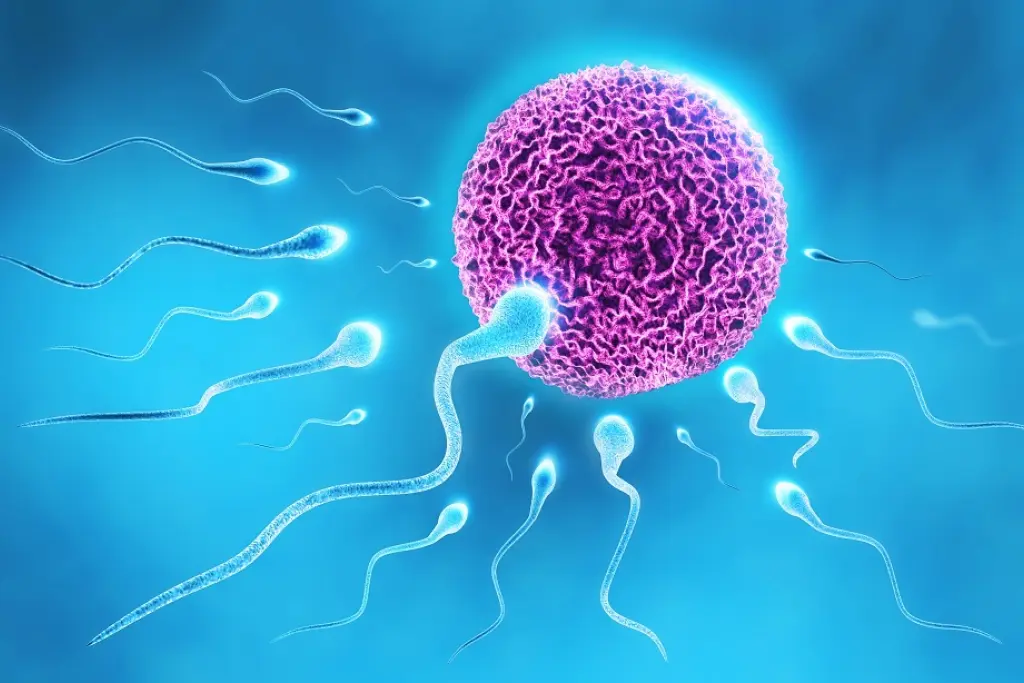
Fertilization occurs in the outer third of the uterine tube. It’s the location where the majority of sperm and egg trysts take place. Sperm attach to the egg’s exterior, then one penetrates and merges with the egg. This event — fertilization — initiates the journey toward pregnancy. The timing is narrow: sperm can live up to 5 days, but the egg lasts just 1 day. The fertile window, the 5-6 days prior to and during ovulation, is the optimal time for conception.
Success Signals
Recognizing the early symptoms of conception can help you detect possible pregnancy when sperm meets egg. For the timing method adherents, some of the tips loom as clear success signals. Here are the most common:
- Missed menstrual period, often the first clear sign.
- Increase in basal body temperature of approximately 0.3 to 0.6°C.
- Light spotting or mild cramps a week after ovulation.
- Positive pregnancy test, usually after missing a period.
- Fatigue, sore breasts, and mild nausea.
- HCG detectable in blood or urine 10 days following conception.
Implantation
Implantation is when the fertilized egg embeds itself in the uterine lining, typically about six days post-fertilization. This step is critical—without it, pregnancy does not progress. The uterine lining gets thicker every cycle, primed to nourish and shield the embryo as soon as it implants. Others could experience light spotting, known as implantation bleeding, or a dull ache. It’s not a phase, and it won’t last.
Not everyone experiences spotting or mild cramping around this time. Still, when it does, it can indicate the embryo has implanted and the body is reacting. A strong uterine lining encourages the embryo’s development, which is why implantation is such an important milestone.
Early Symptoms
Early pregnancy symptoms can make an appearance shortly after implantation. These can consist of vomiting, breast pain, sleepiness and appetite shifts. Monitoring these post-ovulation fluctuations aids in identifying trends that could indicate pregnancy.
The hormonal shifts, particularly increasing progesterone and hCG, are responsible for the majority of early signs and symptoms. Not everyone experiences these success signals, but some feel them immediately. Others won’t sense an effect until weeks down the road.
If you notice any abnormal symptoms—such as a missed period, light spotting, or new unexplained fatigue—take note. Any of these could indicate early pregnancy.
Hormonal Shifts
After fertilization, the body starts big hormonal shifts.
- hCG climbs and is detectable in blood/urine around 10 days after conception.
- Progesterone stays high to keep the uterine lining stable.
- Estrogen climbs, helping early embryo growth.
These hormonal shifts both induce symptoms, like nausea or breast tenderness, and sustain a healthy pregnancy. HCG, of course, is the hormone that indicates a positive pregnancy test — which means you actually conceived.
Personalizing Your Approach
Every fertility journey is unique. Personalizing your sperm meets egg timing method means considering your own cycle, lifestyle, and health. What works for one may not assist another, so it’s wise to customize your plan for your individual requirements.
Cycle Variations
Period cycles aren’t always textbook. For certain, cycles are predictable, but for others, they ebb and flow. Understanding that ovulation typically occurs around the middle of the cycle, though not necessarily on the exact same day, is crucial. Fertile window is 6 days – 5 prior to ovulation and the day of. Sperm can survive for as much as five days, but the egg is viable for only 24 hours. Monitoring your cycle with a calendar or app aids in identifying patterns. If your cycle is irregular, catching the LH surge with OPKs makes timing more accurate. Flexibility is key, because occasionally plans change, as does your body. Switching up the timing keeps your odds as good as possible.
Lifestyle Impact
Daily habits count for fertility. Things such as smoking, alcohol and lack of sleep suck sperm quality and undermine hormone balance. Consuming a well-balanced diet with adequate amounts of protein, vitamins and minerals aids in providing support to reproductive health for both partners. Stay occupied, but not overstressing yourself, works. Avoid chemicals—such as pesticides or heavy metals—that can impact fertility. Stress can have a big part too. Significant stress can disrupt ovulation and sperm production. Mindfulness, yoga or simply allowing yourself a moment to breathe can go a long way in managing stress. Minor tweaks to your schedule can accumulate into an appreciable impact.
Medical Conditions
Some health issues can make conception harder. Conditions like polycystic ovary syndrome (PCOS), endometriosis, or thyroid disorders may disrupt cycles or ovulation. It’s important to talk with a doctor if you have trouble conceiving after a year (or six months if over 35). A healthcare provider may suggest blood tests, ultrasounds, or semen analysis. Sometimes, treatments like medication or procedures can help. If natural methods don’t work, assisted reproduction—like intrauterine insemination (IUI) or in vitro fertilization (IVF)—might be options. A personalized plan from a fertility specialist often leads to better results.
Modern Tools
Modern tools have simplified fertility tracking and timing intercourse for people across the globe trying to get pregnant. Tech can help you understand your cycle, know your most fertile days, and catch any cycle changes early.
Traditional vs. Tech
Conventional ovulation tracking rely on things such as BBT charting, cervical mucus checks and calendar counting. These methods involve daily monitoring and diligent record keeping, but they can be cumbersome, particularly if your cycle varies from month to month.
Modern tools—apps, OPKs, and online conception calculators—provide more precision and less fumbling in the dark. OPKs, for instance, detect the luteinizing hormone (LH) surge that occurs right before ovulation. Certain high-end tests can even detect the hCG surge. Mobile apps can log symptoms, suggest fertile windows, and send reminders. Conception calculators help you work out your most fertile days and online resources provide detailed support and education. A lot of folks do a hybrid approach.
| Method | What It Tracks | Ease of Use | Effectiveness |
|---|---|---|---|
| Basal Body Temp (BBT) | Body temp changes | Medium | Moderate |
| Cervical Mucus Checks | Mucus consistency | Low | Moderate |
| Calendar Method | Cycle length | High | Low |
| OPKs | LH or hCG surge | High | High |
| Fertility Apps/Calculators | Multiple data points | High | High (when used regularly) |
Data Interpretation
Reading data from fertility tools means noticing patterns in your menstrual cycle—like when your temperature rises or when OPKs show a surge. Use this info to plan intercourse during the five days before ovulation and on ovulation day itself.
Aggregate data can reveal if cycles are irregular, which can indicate an underlying problem. If you identify strange trends—such as absent LH surges or erratic cycles—it may be prudent to have a discussion with an expert. Great data helps you make decisions based on reality, not speculation.
Future Innovations
Fertility tech is speeding ahead. Smart devices are tracking hormones, temperature and other signs in real time. Reproductive medicine is advancing too, with instruments providing more insight and individualized assistance.
Keeping on top of new possibilities, from wearable trackers to sophisticated conception calculators, translates into more control and less stress. Fertility experts will be able to share the newest research and assist you in finding the ideal option for you.
The Biological Dialogue
Conception is anything but a one-time occurrence — it’s a biological dialogue between sperm and egg. This biological dialogue is constructed from chemical cues, cell-to-cell communication and selective membranes. Because each step depends on careful timing and interaction, fertilization is a cooperative process.
Cellular Communication
Sperm and egg communicate via a number of molecular cues. It’s great if the sperm can reach the egg, but the true test begins upon arrival. The egg is encased in a double wrapping. First, the corona radiata, a loose layer of cells. Then, the zona pellucida, a jelly-like coat. Sperm secrete enzymes to penetrate both.
Proteins on sperm surface attach to receptors on the zona pellucida. If the match is right, the sperm merges with the egg’s membrane. This in turn causes the egg to block other sperm from entering by hardening the zona, preventing any more from making it in. It’s a winner take all system that closes the door on everyone else.
These steps illustrate how interconnected each is. It’s like a lock-and-key with cell signals and proteins and only one sperm can get through. It is this level of control that keeps mistakes at bay and improves the likelihood of a healthy launch.
The Egg’s Choice
The egg isn’t simply a bystander. It can choose which sperm wins. Not all sperm that draw near shall enter. The egg’s surface presents molecules that test sperm quality.
If a sperm is feeble or contains impaired DNA, it is less probable to unite. Healthy sperm swim good and with the appropriate enzymes to pass through the barriers. In this manner, the egg assists in ensuring that only the highest quality sperm can fertilize it.
Environmental Influence
Fertilization success is environmental. The cilia-lined uterine tube transports the egg at just the right speed. Things like diet, stress, and toxins can impact sperm and egg health.
A good lifestyle—well-balanced meals, daily movement, lower chemical exposure—nourishes this sensitive process. Even modest shifts, like kicking the smoking habit or knocking down stress, can assist. The optimal environment provides cells with the best chance at touching and fusing.
Conclusion
For the sperm meets egg timing method, pay attention to obvious body signs. Look out for things such as cervical fluid shifts or increased body heat. Experiment with other tools or apps if you desire additional data. Each of us discovers our own optimal path, so listen to yourself. Science makes it easy–sperm meets egg timing. It’s a worldwide favorite because it works with real life. For next steps, consult a healthcare professional if you have questions or desire additional assistance. Keep curious, keep open and use what works for you!
Frequently Asked Questions
What is the sperm meets egg timing method?
The sperm meets egg timing method increases the odds of conception by timing intercourse on the most fertile days of the menstrual cycle.
How do I know my most fertile days?
Your most fertile days are typically the days leading up to and during ovulation. Monitoring cycle length and employing ovulation predictor kits can assist in pinpointing these days.
Can this method work for everyone?
Know that the sperm meets egg timing method won’t work for everyone, particularly those with irregular cycles or fertility concerns. You’ll want to discuss this with your doctor for personalized guidance.
How often should couples try during the fertile window?
Couples are often advised to have intercourse every other day during the fertile window. This maximizes the chance of sperm meeting the egg.
Are there tools to help track ovulation?
There are a lot of digital apps and ovulation predictor kits and all kinds of fertility monitors available nowadays that can help you track ovulation and anglicize the timing method.
Is age a factor in timing success?
Yes, age can impact fertility for both sexes. Fertility tends to fall with age, particularly after 35, so timing alone might not be sufficient for certain couples.
What are signs of ovulation to watch for?
Usual ovulation symptoms include cervical mucus alterations, a small increase in body temperature, and light pelvic pain. Keeping track of these signs can assist you with timing.