
Posted August 04, 2025 in Fertility Blog & Information
14 minute read
Key Takeaways
- Mosaic embryos have some normal and some abnormal cells, and although they are unique challenges, others can still yield healthy pregnancies with careful screening and oversight.
- PGT-A allows mosaic embryos to be discovered, but current techniques are not perfect, so the results should always be read with assistance from fertility experts.
- The implantation rates are likely to vary based on the proportion of abnormal cells, the specific type of chromosomal abnormality, as well as the quality of the embryo overall.
- Because transferring mosaic embryos poses greater risks for miscarriage and abnormal pregnancy outcomes (particularly when the mosaic embryos have a high proportion of abnormal cells), informed consent is crucial.
- The decision to transfer a mosaic embryo is highly individual and must be made with clear communication between patients and their fertility specialists, weighing medical evidence and patient preferences.
- We encourage patients to get support for the emotional and financial toll of treatment, ask questions, and partner with their healthcare team to make the best decisions for their individual situation.
Mosaic embryos implantation odds mean the likelihood that embryos composed of both normal and abnormal cells will implant into the uterus and initiate pregnancy. Research indicates that while mosaic embryos may result in live births, their chances are diminished compared to non-mosaic embryos. It depends on the degree and type of mosaicism present in the embryo, and the age and health of the mother. These odds are why many clinics now provide genetic screening. For IVF patients, understanding the implantation chances of mosaic embryos informs decisions around embryo transfer and family planning. The rest of the post details important considerations and existing research on this subject.
Understanding Mosaicism
Mosaic embryos contain normal and abnormal cells. It’s discovered via preimplantation genetic testing and stems from mistakes in early cell divisions. A lot of embryos are mosaic—tests report 60–70% of day-3 IVF embryos harbor at least some chromosome alteration. Not all abnormal embryos are created equal, with mosaic embryos having the potential to result in healthy pregnancies, as opposed to fully aneuploid embryos. This knowledge assists them in making intelligent decisions about embryo transfer.
The Basics
Mosaicism means an embryo has a mix of cells—some with the right number of chromosomes, some with mistakes. In reproductive medicine, this matters because it changes how doctors judge embryo health and pregnancy odds. Mosaic embryos are not totally normal or fully abnormal. They sit in between. Genetic testing before transfer is key. It helps spot which embryos are mosaic and could work for transfer. Studies show that some mosaic embryos, especially those with less than 50% abnormal cells, can implant and grow like healthy embryos.
Euploid vs Aneuploid
| Feature | Euploid Embryos | Aneuploid Embryos |
|---|---|---|
| Chromosome number | Normal | Abnormal |
| Health implications | Low risk | High risk |
| Pregnancy outcomes | High success | Low success |
Transferring euploid embryos gives the best chance for pregnancy. Mosaic embryos, depending on their mix of normal and abnormal cells, may still work but with more risk. Aneuploid cells in a mosaic embryo can lower its odds, but embryos with fewer abnormal cells can have similar results to healthy embryos. Chromosome count is a main factor in checking embryo health before transfer.
The Gray Area
Categorizing mosaic embryos is difficult. The degree of aneuploidy can vary from 20% to 70%, which impacts the results. 20–40% and 40–70% are referred to by some as “low-level mosaic” and “high-level mosaic.” When levels are middling, results are difficult to forecast. For instance, two embryos with 30% and 60% abnormal cells could experience wildly different outcomes post-transfer. This gray zone complicates decisions for both clinics and patients. Every embryo requires an intimate examination because they’re not identical.
Detection and Diagnosis
Mosaic embryos are discovered in vitro fertilization cycles with sophisticated genetic screening. The most frequent, preimplantation genetic testing for aneuploidy (PGT-A), aims to identify chromosomal abnormalities prior to embryo transfer. This step is essential in increasing implantation rates and reducing the possibility of transferring embryos with chromosomal abnormalities. Biopsy techniques, test precision, and result reporting all contribute to how clinics and patients perceive the threat and likelihood of mosaic embryo implantation.
PGT-A Testing
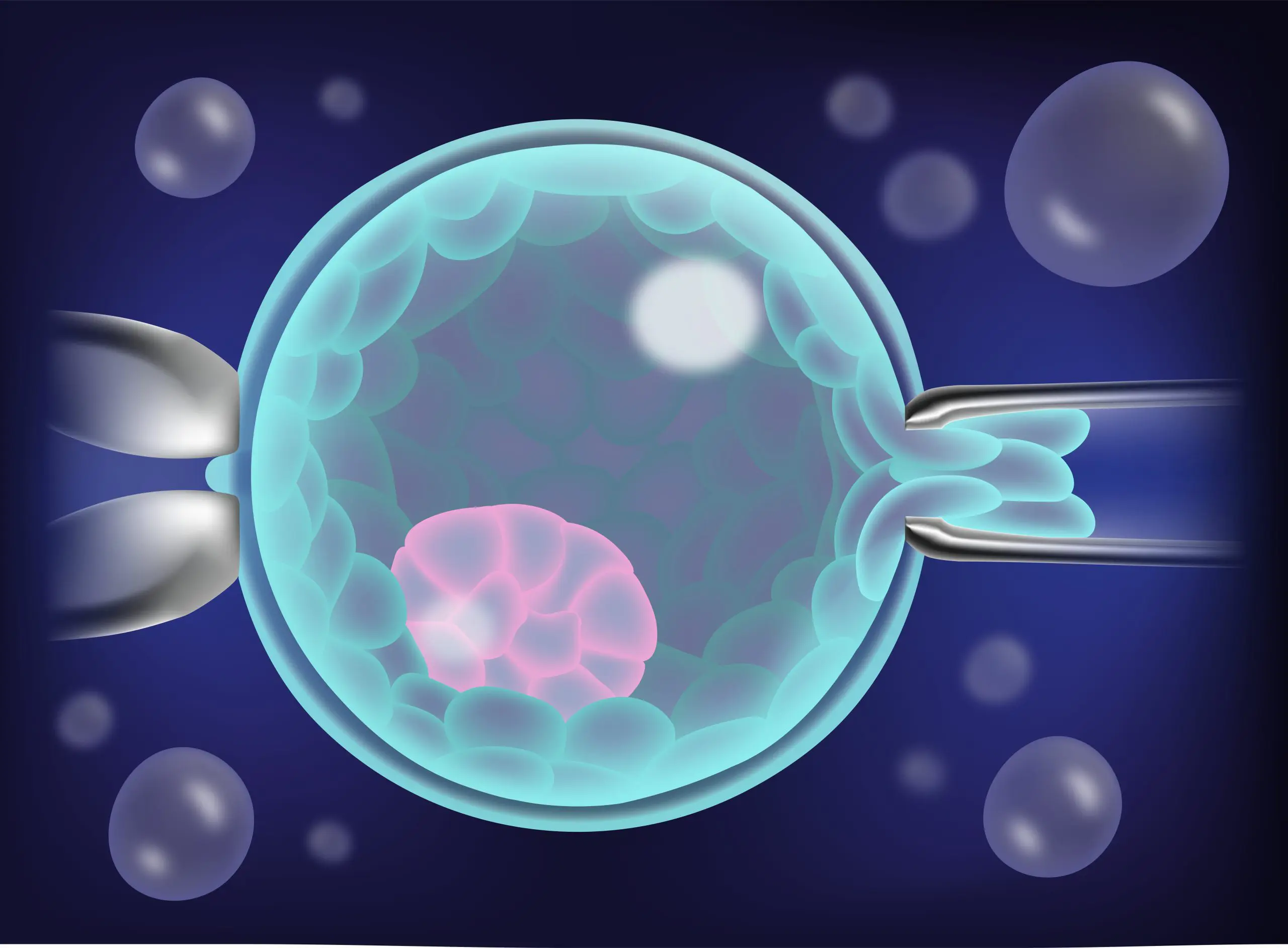
With PGT-A, they take a small number of cells from the embryo’s trophectoderm — typically when it reaches the blastocyst stage — and test these cells for chromosomal abnormalities. This technique allows clinics to categorize embryos as euploid, aneuploid or mosaic. PGT-A can detect either single segmental abnormalities, complex segmental, single chromosome or complex abnormal mosaics. It’s what differentiates your test from the others, and it’s where the true value lies—helping select the embryos that have the greatest chance of implanting and resulting in a healthy pregnancy. Yet, the test is not ideal. PGT-A’s prediction of implantation is compromised by the level of mosaicism in the embryo and potentially lab-dependent. Genetic counselors are critical here, assisting patients interpret complex genetic results and the nuances of what PGT-A can reveal.
Biopsy Limitations
A biopsy merely samples a minute fragment of the embryo, potentially resulting in sampling errors. The trophectoderm (outer layer) may not correlate with the inner cell mass, which develops into the fetus. This mismatch can result in either false positives or negatives. For instance, if the sampled cells indicate high-level mosaicism (40%–80%), but the remainder of the embryo is normal, a viable embryo could be discarded. Sampling errors may drive important clinical decisions, such as whether to transfer a mosaic embryo. More accurate biopsy techniques are required to obtain a more comprehensive, accurate insight into embryo chromosomal status.
Interpreting Results
Interpreting PGT-A for mosaic embryos means examining the type and degree of mosaicism, whether it’s low-level (20%–40%) or high-level (40%–80%). It’s the fraction of abnormal cells that counts for prognosis. Mosaicism is tricky — not all embryos with chromosomal differences will implant or miscarry. Context counts: some studies show healthy births from mosaic embryo transfers, but results are mixed, especially for putative mosaics. Fertility specialists and genetic counselors should navigate patients through test results and what they signify for next steps.
Calculating Implantation Odds
Mosaic embryos contain a mixture of normal and abnormal cells, posing distinct challenges for calculating implantation odds. All those factors contribute to the clinical outcome and should be considered carefully during embryo selection and counseling.
- Mosaicism level is a magic marker — the lower your mosaicism level, the better your chances.
- What changes the odds is the type of chromosome abnormality — segmental or whole.
- Embryo grading based on shape and growth helps predict viability.
- If we compare the mosaic embryos to the euploid embryos, it gives us a guide to make decisions.
1. Mosaicism Level
Low mosaicism, at less than 50% of cells in a biopsy being abnormal, is associated with improved implantation. In a separate study, nearly all mosaic embryos contained less than 50% abnormal cells, and only ~1% of these presented aneuploidies impacting other areas of the embryo. High mosaicism, more than half the cells abnormal, has lower odds and a higher miscarriage risk. Clinically, this now frequently means a customized approach, aligning the embryo’s mosaicism rate with patient history and other elements. Determining the mosaicism level guides clinics in selecting embryos for transfer, seeking to strike a balance between caution and efficacy.
2. Chromosome Type
The kind of chromosome involved in mosaicism matters. Segmental mosaicism—affecting only a portion of a chromosome—typically fares better than whole chromosome mosaicism. Complex mosaicism, where multiple chromosomes are affected, decreases the likelihood of a healthy pregnancy and increases the risk for complications. Segmental cases have resulted in healthy births more frequently, so knowing the type can direct which embryos to transfer.
3. Embryo Grade
Embryo grading examines the embryo’s development and morphology to estimate its implantation potential. Higher-graded mosaic embryos have superior live birth rates compared to their lower-graded counterparts, yet still underperform when compared to euploid embryos. Embryologists look for cell number, symmetry and fragmentation. Both genetic and physical features require review prior to transfer, as one cannot compensate for the other’s limitations.
4. Euploid Comparison
Mosaic embryos implant at lower rates than euploids. If there’s both available, clinics nearly always choose euploid first. This helps set patient expectations and maximize chances for a healthy outcome.
Potential Risks
There are distinct risks associated with transferring mosaic embryos that concern pregnancy outcomes as well as emotional health. The unknowns associated with mosaicism, particularly when compared to euploid embryos, pose difficulties for patients and fertility teams. Knowing these issues is crucial for informed decisions.
Miscarriage Rates
| Embryo Type | Miscarriage Rate (%) | Aneuploid Cell Range (%) |
|---|---|---|
| Euploid | 10–15 | <10 |
| Low-level Mosaic | 20–35 | 20–40 |
| High-level Mosaic | 40–60 | 40–80 |
Miscarriage rates increase as the rate of abnormal cells in the embryo increases. High-level mosaic embryos (with 40–80% abnormal cells) are more likely to result in miscarriage. This can be particularly the case when the mosaicism is present in particular chromosomes such as 13, 16 or 18. The tension of waiting up to 16 weeks to find out the pregnancy outcome can add a heartbreaking emotional weight.
Patients who underwent a mosaic embryo transfer should be monitored closely for any early issues. This additional attention helps catch problems earlier, so intervention or assistance can begin immediately. Fertility teams should discuss these risks prior to transfer.
Abnormal Pregnancy
Pregnancies with mosaic embryos could be at increased risk of abnormal outcomes, like intrauterine growth restriction or uniparental disomy. Some result in pregnancies affected by syndromes if chromosomes such as 21 or 45,X are implicated. These complications may be unpredictable, and the impact sometimes doesn’t manifest until later in pregnancy.
Prenatal check-ups are extremely important in these situations. Routine scans and gen tests can catch early warning signs, enabling clinicians and patients to strategize next moves. We seek informed consent — we want to make sure everyone is aware of potential risks going in.
Self-Correction Theory
Certain scientists think mosaic embryos can “self-correct” as they develop — that is, that the abnormal cells are swapped out for healthy ones as the embryo grows. Mosaic embryos can give rise to healthy births of pregnancies in some cases, indicating that this self-correction may be at play there as well.
After all, not all mosaic embryos self-correct. It’s an obscure process and the outcomes are uncertain. The theory sheds light on the fact that we need to understand more about why some mosaic embryos result in healthy pregnancies but others don’t.
Clinical Decision-Making
Patients and doctors need to balance risks and benefits. Complex mosaic embryos should not be recommended for transfer. Memory bias and missing details cloud decisions.
Clinical Decision-Making
Clinical decision-making around mosaic embryo transfer is informed by evolving recommendations, emerging evidence, and an obvious desire for patient input. Mosaic embryos pose special risks — often forcing clinics to balance live birth probabilities with the risk of chromosomal disorders. Mosaicism level, chromosomes involved and aneuploidy all factor these decisions.
Evolving Guidelines
Guidance on mosaic embryo transfers are evolving rapidly. A lot of clinics now cite professional groups that recommend caution — particularly when chromosomes 13, 14, 16, 18, 21 or 45,X exhibit mosaicism — due to their association with increased risk. These groups emphasize continued investigation and encourage clinics to continue learning as outcome data emerge. Emerging data suggests mosaicism is more of a risk spectrum, not a hard cut-off, with risk increasing from 20% to 80% mosaicism. Clinics should keep up with new findings and adapt policies as science evolves.
Prioritization Protocol
Clinics establish direct guidelines for what embryos to implant first. Euploid embryos, free of chromosomal abnormalities, remain the preferred option. If no euploid embryos are accessible, segmental mosaic embryos—where just a portion of a chromosome is impacted—are frequently selected in preference to whole chromosome mosaicism, as they’re believed to pose a reduced risk. Complex mosaic embryos, with multiple chromosomes, are generally eschewed. For patients, insight into these decisions is crucial. Clinics must be upfront about their policies so patients have an idea what to expect.
When to Transfer
Timing is not universal. For doctors, it depends on the degree of mosaicism, the chromosome involved, and whether the aneuploidy is likely to be problematic. Age and pregnancy history count, as well. For example, a person with too many failed transfers might be more comfortable with a mosaic embryo than someone who wants to wait for amniocentesis results, although waiting can be difficult. Certain patients cherish a live birth more than anything else, and others seek to avoid even minor risks. These decisions ought to be discussed with a fertility expert.
The Patient Perspective
Mosaic embryo transfer patients are frequently confronted with difficult odds and hard decisions. They grapple with hope and skepticism. The entire process raises emotional and financial issues — and everyone’s experience is slightly unique.
Emotional Toll
Uncertainty is inherent in every mosaic embryo transfer. Patients wonder about the odds: will the embryo implant, lead to a healthy pregnancy, and result in a live birth? Not knowing is exhausting. Most find the wait for amniocentesis at 16 weeks particularly hard. That’s a lot of years to stew with ‘what ifs.’
Mental health support is important. A lot could use assistance with stress and pressure. Chatting with a counselor or a support group can lighten the burden. Listening providers who took emotions seriously do matter.
‘Open talks with doctors’ assist patients in voicing their fears. Patients require room to inquire, express concerns, and receive candid responses. Coping strategies—such as mindfulness, journaling, or support from loved ones—are incredibly useful in managing stress.
Financial Burden
IVF and embryo transfers are expensive. Each round accumulates, and additional fractures stack on more invoices. Such costs might drive patients to give mosaic embryos a shot if they don’t have any other choice—particularly for older patients or those with few embryos.
Transparency and full price breakdowns from clinics assist patients in planning. It saves you hockin’ loogies, too. Many clinics have payment plans, grants, or can link you up with financial assistance. It’s smart to investigate these choices.
Making Your Choice
- Get the scoop on mosaic embryos and their success rates.
- Discuss with your fertility specialist the risks, benefits, and next steps.
- Factor in your age, embryo quality, and personal values.
- Inquire about when and how tests such as amniocentesis are conducted.
- Think through financial and emotional costs.
- Seek assistance and request help if necessary.
- Trust your gut and do what feels right for your life.
Risks and benefits need to be carefully considered. There’s no guarantee of success, even post transfer. Just as honest talks with doctors shape decisions, a few rely on doctors, while some look at their own context—such as a 43-year-old with no alternatives.
Conclusion
Mosaic embryos can mean hard decisions and uncertainties. Implant odds are based on the proportion of normal cells, the location of the mosaic cells, and laboratory testing expertise. Certain clinics will accept mosaic embryos if no fully normal ones emerge, but every scenario seems unique. Concerns such as reduced implantation potential or subsequent health complications can arise, although numerous offspring born from mosaic embryos develop without complications. There are real fear and hope involved in this stuff. Nothing like some clear talk with doctors to help set some real plans and next steps. If you’re considering mosaic embryo transfer, request your care team for data, historical case outcomes, and information about what to anticipate. Great information and support makes everyone feel prepared for every step forward.
Frequently Asked Questions
What is a mosaic embryo?
A mosaic embryo is one that has both normal and abnormal cells. This happens when a number of cells in the embryo have the standard number of chromosomes, and some don’t.
How are mosaic embryos detected?
Mosaic embryos found through PGT. This test takes a few cells from the embryo and looks for chromosomal variations.
What are the implantation odds for mosaic embryos?
The implantation odds for mosaic embryos tend to not be so great as their counterparts. Not even close — the odds differ, but studies have found them to be in the range of 20-40% depending on how mosaic.
Are pregnancies from mosaic embryos safe?
Pregnancies from mosaic embryos can give us healthy babies…but that doesn’t necessarily mean it will be different with higher chances of miscarriage or genetic conditions. It is important to carefully monitor these patients with close follow-up with a healthcare provider.
What risks should I consider with mosaic embryo transfer?
Risks such as lower implantation rates, miscarriage and genetic abnormalities. We highly recommend that you discuss these risks with a fertility specialist.
Can mosaic embryos lead to healthy babies?
Some mosaic embryos can lead to healthy babies. Genetic testing and prudent embryo selection have helped patients.
Should I transfer a mosaic embryo?
This should be a decision made with your fertility clinic. Your age, embryo quality, and individual situation all contribute. A fertility specialist can help guide you based on your specific circumstances.