
Posted October 27, 2025 in Fertility Blog & Information
17 minute read
Key Takeaways
- Sperm morphology measures the percentage of normally shaped sperm and is a key factor in diagnosing male infertility. Get a semen analysis and medical evaluation to clarify your status.
- Low morphology can decrease the likelihood for natural conception, but does not preclude pregnancy. Pursue additional testing such as hormone panels, DNA frag, and repeat analyses to guide care.
- Start with lifestyle changes and nutritional support. Quit smoking, limit alcohol, keep your weight healthy, and add antioxidants to enhance sperm quality as you seek medical work up.
- Treatment options in Houston can include medications and varicocele repair, sperm retrieval, and assisted reproduction like IUI or IVF with ICSI based on severity and couple goals.
- Choose a comprehensive clinic with advanced lab testing, expert embryologists, and multidisciplinary coordinated care so you get personalized plans and precise success-rate data.
- Incorporate both partners, integrate mental health support, and continue to follow up to track progress and update treatments as new diagnostics or therapies become available.
Semen morphology low Houston treatment options refers to available medical and lifestyle steps in the Houston area for men with abnormal sperm shape.
Local clinics offer diagnostic semen analysis, hormonal testing, and referral to urology or reproductive specialists.
Treatments include antioxidant therapy, hormonal correction, surgical repair of varicocele, and assisted reproduction like ICSI.
Care plans often combine medical treatment with diet and smoking cessation to improve outcomes.
Understanding Morphology
Sperm morphology assesses the shape and structure of sperm seen in a semen analysis. This measure is one part of a broader semen test that looks at count and motility. Evaluating morphology helps identify male factor infertility, points to underlying reproductive problems, and guides which treatments may work best.
What Is It
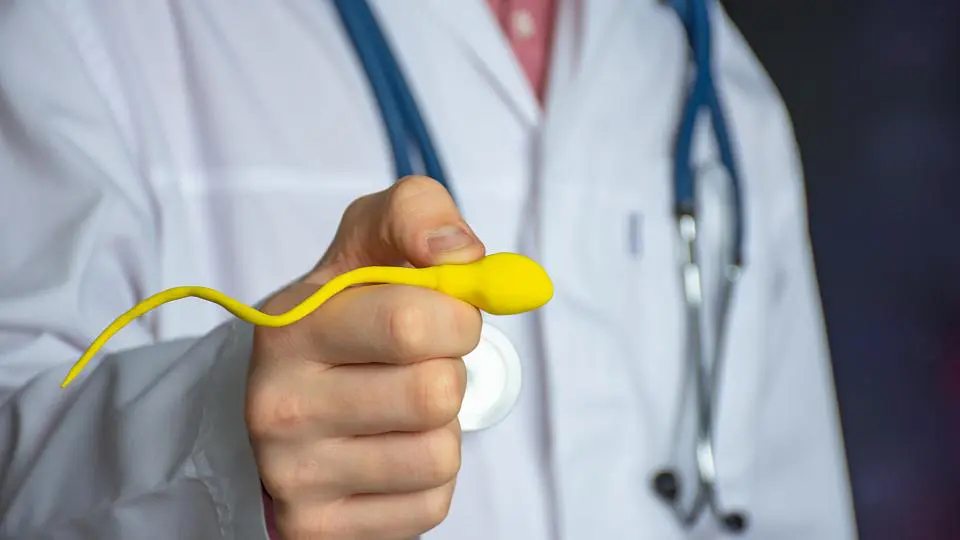
Sperm morphology measures the percentage of normally shaped sperm in a semen sample. Normal sperm typically have an oval head and a long tail. These features help the sperm carry DNA and swim effectively toward an egg.
Abnormal shapes, termed teratozoospermia, include defects in the head, midpiece, or tail and lower the chance of fertilization. Common abnormalities include:
- Head defects: large, small, tapered, or double heads.
- Midpiece defects: swollen or bent midpieces that affect energy transfer.
- Tail defects include short, coiled, duplicated, or broken tails that impede movement.
- Combined defects refer to more than one abnormal site on a single sperm.
Typically, only 4% to 10% of sperm fit strict morphology criteria. Abnormal sperm can constitute 4 to 15 percent of total sperm, depending on the lab and criteria. To ensure precision, the sample must be taken following 2 to 4 days of celibacy.
Why It Matters
Sperm of normal morphology have a better chance of reaching and fertilizing the female egg. Low morphology makes natural conception less likely and decreases the rates of success for uncomplicated insemination.
Women with partners having severe morphology below 4% demonstrate impaired fertilization following intercourse or intrauterine insemination. Morphology is one of several semen parameters used to assess overall male fertility.
A man’s low sperm count or abnormal sperm shape is often first detected through semen analysis. Fertility treatment is typically advised when a sample shows fewer than 39 million sperm, less than 40 percent motile sperm, or less than 4 percent normally shaped sperm.
Abnormal shape may be linked to a slightly higher risk of failed fertilization or some birth defects, though risk varies and is small in most cases.
Potential Causes
Genetic and inherited conditions may result in atypical morphology. Certain men harbor chromosomal or single-gene mutations that have an impact on sperm shape.
Lifestyle factors such as smoking, excess alcohol, recreational drugs, and industrial toxins or pesticides degrade morphology. Medical problems like varicocele, untreated infections, or hormonal imbalances generally disrupt morphology.
Environmental factors such as extended heat to the testes from tight underwear, hot baths, or workplace heat can reduce the proportion of normally shaped sperm. In men with extremely low counts, less than 10 million, IVF with ICSI can increase success rates by allowing fertilization using as little as 5 to 10 normal sperm.
The Diagnostic Journey
A focused diagnostic process identifies whether low sperm morphology is present, why it might be happening, and what next steps make sense for treatment. A full male fertility evaluation combines lab testing, clinical history, and physical exam to build a clear picture before any treatment is chosen.
Semen Analysis
Semen analysis is the key lab test. It measures sperm count, motility, and shape. Labs look at total volume, total sperm number, concentration per milliliter, forward motility, and the percentage of sperm that appear normal.
Patients should abstain from ejaculation for two to seven days before giving a sample to reduce variation and get the most reliable result. Samples must be handled correctly. They should be collected in a clean container, kept near body temperature, and delivered to the lab within an hour when possible.
The report typically includes total sperm count, concentration (10^6/mL), progressive motility percentage, and percent normal forms. For morphology, the lab might apply rigid standards and describe percent normal forms out of a set number of sperm. One abnormal result doesn’t establish a chronic difficulty; repeat tests to confirm it.
Interpreting Results
WHO reference ranges give context for results. Typical reference cutoffs include: semen volume greater than or equal to 1.5 mL, sperm concentration greater than or equal to 15 million per mL, progressive motility greater than or equal to 32 percent, and normal morphology greater than or equal to 4 percent using strict criteria.
| Parameter | WHO reference | Example patient result |
|---|---|---|
| Volume (mL) | ≥1.5 | |
| 2.0 |
| Concentration (times 10 to the power of 6 per mL) | greater than or equal to 15 | 12 | | Progressive motility (percentage) | greater than or equal to 32 | 28 | | Normal morphology (percentage) | greater than or equal to 4 | 2 |
When the percent normal forms is low, this is referred to as teratozoospermia. Low morphology can be found with normal count and motility or in conjunction with low count or poor motility. Each such pattern indicates different causes. Abnormal results lead to a more in-depth review of your medical history, lifestyle, and potential exposures.
Next Steps
If morphology or other parameters are abnormal, additional testing assists in identifying causes. Hormone panels (FSH, LH, testosterone, prolactin) test endocrine function. Genetic tests, like karyotype or Y-chromosome microdeletion panels, are good if counts are very low or if there is a family history of infertility.
Scrotal ultrasound evaluates the testes and epididymis for varicoceles, cysts, or other structural problems. Imaging can reveal issues not found on physical exam. Repeat semen analyses at different times rule out transient effects from fever, recent illness, or medication.
If workups find issues or are inconclusive, a referral to a Houston fertility specialist can plan accordingly. Specialists consider everything from lifestyle changes and medical management to reproductive assistance such as IUI or IVF with ICSI.
Houston Treatment Pathways
Houston offers a full spectrum of care for men with low sperm morphology, from basic lifestyle care to advanced assisted reproduction. A semen analysis is the first step. Collected after two to four days of abstinence, it shows count, motility, and shape. Results guide whether to try behavior change, medical therapy, surgery, or assisted techniques.
Treatment choice depends on how severe the abnormal forms are, whether sperm count or motility are low, and the couple’s goals. Care typically involves a reproductive endocrinologist or urologist at experienced fertility centers that provide high-quality embryology labs and access to clinical trials.
1. Lifestyle Adjustments
Quit smoking, limit alcohol, and stay away from recreational drugs to minimize oxidative stress on sperm. Maintain a healthy weight. Fat can reduce your testosterone and damage sperm shape and movement.
Moderate exercise is beneficial, but don’t overdo the heat. Avoid hot tubs, laptop lap marathons, or tighty whities that increase scrotal temperature. Minimize exposure to industrial toxins and unnecessary radiation where practicable.
Discover stress-reduction tools such as mindful breathing, therapy, or simple, regular routines that reduce hormones that may sabotage sperm production.
2. Nutritional Support
Eat a varied diet rich in fruits, vegetables, lean proteins, and whole grains to supply antioxidants and vitamins C, E, and D. Foods with zinc and folate, such as oysters, beans, and leafy greens, support sperm formation.
Consider male fertility supplements that combine key nutrients and discuss brands and doses with a clinician. Omega-3 fats from fish or algae and coenzyme Q10 have shown benefits for morphology in some studies.
Limit processed foods and trans fats because they are linked to worse semen parameters.
3. Medical Interventions
Hormone therapies can correct endocrine imbalances that lower sperm output, but need careful testing and follow-up. If infection is present, targeted antibiotics can clear pathogens that distort sperm shape.
Medicines for erectile dysfunction or ejaculatory problems may improve sample quality by enabling timely collection. In Houston, patients can access experimental treatments or clinical trials for novel approaches.
Eligibility depends on prior testing and clinical review.
4. Surgical Solutions
Varicocele repair often improves testicular blood flow and can lead to better sperm morphology over months. Vasectomy reversal suits men who had prior sterilization and now want conception.
For very poor semen results or obstructive problems, sperm retrieval like TESA or TESE provides sperm for IVF or ICSI. Microsurgery can fix blockages causing obstructive azoospermia. Specialist skill matters for success.
5. Assisted Reproduction
IUI can assist when the morphology problem is slight and other measures are fine. IVF with ICSI is the primary selection for serious morphology concerns or when surgically stated sperm are used.
ICSI injects one sperm into an egg and increases fertilization rates. Donor sperm is an alternative when male factor infertility can’t be treated.
State-of-the-art Houston labs and embryologists increase success rates and provide high fertilization rates.
Beyond The Numbers
Low sperm morphology percentages are just a part of the fertility puzzle. What matters most when it comes to your chances of conception is overall sperm function, motility, and genetic integrity. A few men with abnormal morphology become pregnant, particularly if other parameters are normal or with targeted treatment.
A holistic evaluation assists in personalizing treatment and prevents excessive dependence on one figure.
A Holistic View
Speak to both of you. Woman’s age and ovarian reserve, tubes and uterine factors impact outcomes. Addressing a male issue in isolation can hinder chances.
Most fertility clinics would suggest a diagnostic workup if needed in parallel to construct a coordinated plan for timed intercourse, IUI, or IVF.
Mental health issues can also play a significant role. Anxiety and stress compromise libido, medication compliance, and relationships. Counseling, couples therapy, or support groups can alleviate strain and increase clarity of decision-making throughout these extended treatment courses.
Modify your routine. For both, quit smoking, reduce alcohol, maintain a healthy weight and avoid excessive heat. Work out hard but don’t overdo it.
Nutritional optimizations and a clean diet assist, and targeted supplementation can be recommended after testing.
Monitor progress. Repeat semen analyses, follow-up appointments, and periodic hormonal testing show whether interventions work. Regular reviews let clinicians change tactics early, improve efficiency, and reduce unnecessary procedures.
DNA Fragmentation
Sperm DNA fragmentation testing goes beyond shape and counts to measure breaks in the genetic material. Such breaks may come from oxidative stress, defective spermatogenesis, or environmental exposures.
Such high DNA fragmentation is associated with lower fertilization rates, impaired embryo development, and increased risk of miscarriage. Even with normal morphology, excessive fragmentation can account for repeated IVF failures.
Use test results to guide care. If fragmentation is high, options include lifestyle change, antioxidant therapy, or treating varicocele if present.
In some cases, using testicular sperm for ICSI lowers fragmentation compared with ejaculated sperm. Antioxidants like vitamin C, vitamin E, coenzyme Q10 or N-acetylcysteine are occasionally used to mitigate oxidative damage, while the results could be mixed.
Treatment should be individualized and followed up with repeat testing.
Functional Tests
Functional tests explore sperm performance, not just appearance.
- Sperm viability: checks live vs dead cells.
- Acrosome reaction: shows ability to penetrate egg coating.
- Oxidative stress assays: quantify reactive oxygen species.
- Sperm chromatin structure assay (SCSA): measures DNA stability.
With these tests, you can discover problems missed by standard analysis. They help choose ART. For example, severe motility or acrosome defects often point to ICSI instead of IUI.
| Test | What it measures | Clinical relevance |
|---|---|---|
| Viability | Percentage of live sperm | Distinguishes necrozoospermia from low motility |
| Acrosome reaction | Ability to bind and penetrate egg | Predicts fertilization potential |
| Oxidative stress | Levels of reactive oxygen species | Guides antioxidant or lifestyle treatment |
| SCSA | DNA stability and fragmentation risk | Predicts embryo quality and miscarriage risk |
Navigating Local Care
Finding appropriate local care begins with understanding who to see and what services are available. Seek a reproductive endocrinologist or a urologist for a focused evaluation. A semen analysis is a standard, low-cost test that often clarifies whether male factor infertility plays a role. It should be done after two to four days of abstinence to give reliable results. Results can point the way to next steps and save months of worry.
Your Medical Team
Fertility experts steer the course of diagnostics and treatment decisions, whereas REIs specialize in hormonal and ovulation problems that may impact couples. Urologists examine male anatomy, infections and varicoceles and may request blood work or urine studies to help identify underlying causes.
Highly trained embryologists evaluate sperm morphology and process samples for IUI, IVF and ICSI. Their work has a direct impact on laboratory success. Support staff, including nurses and counselors, assist with logistics and emotional burden. Counseling reduces dropouts and improves adherence.
Navigating local care means coordinated care, which includes clear communication between the doctor, embryologist, and support staff. This approach ensures tests, procedures, and follow-up fit together and reduces delays.
Clinic Selection
Compare Houston clinics by their experience with male factor infertility and access to advanced treatments like ICSI. Look beyond flashy ads, read patient testimonials, review clinical pregnancy rates, and ask for success data specific to male-factor cases.
Confirm accreditation and whether the lab uses current standards for semen analysis and embryo culture. Check if clinics offer both IUI and IVF with ICSI, since IUI typically requires about 10 to 20 million motile sperm for a reasonable chance at success.
ICSI is the main option if counts are very low or azoospermia is present. Schedule consultations to get a treatment plan, cost estimate, and a sense of how the team will handle follow-up care.
Integrated Approach
Effective care pairs male and female fertility specialists to make sure both partners are tested and treated together. Combining medical care with nutritional guidance and psychological support addresses lifestyle factors such as excessive exercise, stress, obesity, and toxin exposure that can harm sperm quality.
Clinics that coordinate diagnostics, treatments, and follow-up reduce redundant testing and speed decision making. Individualized plans matter: some couples start with lifestyle changes and medication, while others move directly to IUI or IVF plus ICSI depending on semen analysis and other tests.
In cases of azoospermia, surgical sperm retrieval combined with ICSI can offer a clear path to pregnancy.
Future Outlook
Future perspective Recent innovations in reproductive medicine and laboratory techniques may help increase the success rates for men with low sperm morphology. New imaging and sorting tools in the andrology lab can more precisely identify and select typically shaped sperm for use in assisted conception.
Laboratory culture methods and media maintain sperm health during processing, and microfluidic devices seek to isolate motile, well-formed sperm without abrasive spins. These steps increase the likelihood that ICSI or IUI will be successful. Further optimizations should render both procedures more reliable and less harmful to sperm.
Genetic and molecular origins of bad morphology are an increasing focus. Genome sequencing and targeted tests can now identify precise mutations that impact sperm development. As scientists begin to map the genes and pathways involved in sperm shape, new therapies could soon be on the horizon.
Gene-targeted drugs, small-molecule modulators, and even gene-editing approaches are being studied. For instance, if a structural protein in the tail or head is absent, a drug that enhances its expression could improve shape. Growth hormone therapy trials prove beneficial in selected men, especially those with GH deficiency, and comparable targeted hormonal treatments may increase.
Personalized fertility care and precision medicine will raise success rates. Clinics increasingly combine semen analysis with hormonal profiling, genetic screening, and lifestyle assessment to tailor treatment. A patient with poor morphology but normal counts might be steered toward ICSI with selected sperm, while another with metabolic issues will get a lifestyle program first.
Personalized timelines matter because sperm take roughly 40 to 80 days to form. Making positive lifestyle changes at least 40 to 90 days before attempting conception can show real gains. A 12-week lifestyle change study found measurable semen improvements, and stopping alcohol produced large gains in some men within three months.
Nonmedical elements will continue to be key. Diet, exercise, stress reduction, and toxin avoidance are concrete measures with tangible effects. Avoiding environmental organochlorine and other toxins might enhance fertility.
Relaxation methods and stress reduction relate to improved sperm measures and general well-being. Clinics in Houston and beyond are increasingly providing integrated care that pairs medical treatment with diet coaching, exercise programming, and counseling.
Future treatments could involve drugs that act on sperm development pathways, more sophisticated lab selection tools, and expanded use of hormonal or growth-hormone–related therapies when indicated. Cutting edge research and technology provide cautious hope for couples suffering from male factor infertility.
Conclusion
Low sperm morphology has obvious paths ahead. Basic tests steer a targeted plan. In Houston, clinics use proven options: lifestyle change, targeted meds, assisted tech like IUI or IVF, and sperm selection methods. Each option connects to particular causes and to lab results. Tiny changes can frequently nudge shape numbers higher, such as improved nutrition, reduced heat, stopping smoking, and treating infections. In clinic, sperm washing or ICSI provide direct assistance to shape problems associated with fertilization. Real-life examples include a man who changed work gear and saw steady gains in three months and a couple who moved from IUI to IVF with ICSI and reached a successful pregnancy. Discuss results, risk and cost trade-offs, and select treatment that suits your goals and timeline. Contact a local expert for concrete next steps.
Frequently Asked Questions
What does “low semen morphology” mean?
Low semen morphology means a smaller percentage of sperm have a normal shape. It can affect the sperm’s ability to reach and fertilize an egg. Diagnosis follows WHO criteria from a semen analysis.
How is low morphology diagnosed in Houston clinics?
Diagnosis starts with one or more semen analyses at accredited labs. Doctors may repeat tests, review medical history, and run hormonal and infection tests to find causes and guide treatment.
What local treatment options are available in Houston?
At our Houston clinics, we provide lifestyle advice, medication for infections or hormonal issues, surgical varicocele repair, and assisted reproduction such as IUI or IVF with ICSI as appropriate.
Can lifestyle changes improve sperm morphology?
Yes. Sometimes, quitting smoking, reducing alcohol, eating better, managing weight, and reducing heat and toxins can improve morphology over months in some men.
When should I consider assisted reproduction?
Think assisted reproduction if morphology stays low after treatment or after multiple failed attempts at natural conception. Your fertility doctor will recommend whether to go with IUI, IVF, or ICSI based on your specific case.
Are there risks to treatments like ICSI for low morphology?
ICSI is safe and effective for poor morphology as well. Risks are typical IVF risks and a small increased risk of genetic issues. Genetic counseling is commonly offered when appropriate.
How do I find trusted fertility care in Houston?
Look for board-certified reproductive specialists and clinics accredited by recognizable organizations. Check success rates, patient reviews, and whether the lab follows WHO semen analysis standards.