
Posted November 20, 2025 in Fertility Blog & Information
16 minute read
Key Takeaways
- Endometrial receptivity is the brief window during which your uterus is able to receive an embryo and it’s a key consideration for IVF timing and success. Ask your clinic how receptivity is evaluated for you.
- The ERA test profiles the gene expression from an endometrial biopsy during a mock cycle to customize embryo transfer timing. It necessitates an additional cycle and expense.
- ERA results categorize the lining as receptive, pre-receptive, or post-receptive and can lead to timing modifications. The test isn’t proved to increase pregnancy or live birth rates for every patient.
- For example, most clinics, including Houston providers, don’t recommend ERA for patients such as routine first-time IVF patients compared to patients who have experienced repeated implantation failure or unexplained failed transfers.
- Prior to opting for ERA, check area protocols, examine printed results and clinic-specific records, and evaluate if the prospective advantages are worth the added time, discomfort, and cost.
Speak with a reproductive endocrinologist to review your IVF history, embryo quality, uterine evaluation, and insurance or out-of-pocket costs to decide if ERA fits your treatment goals.
ERA test Houston endometrial receptivity recognizes the ideal time in your menstrual cycle to transfer the embryo by examining gene activity in your uterine lining.
Houston clinics provide women with repeated implantation failure or irregular cycles with this RNA-based test. We analyze these results and classify the lining as receptive, pre-receptive, or post-receptive, which helps guide timing adjustments for frozen or fresh transfers.
The body reviews test accuracy, price, and local clinic options.
Endometrial Receptivity
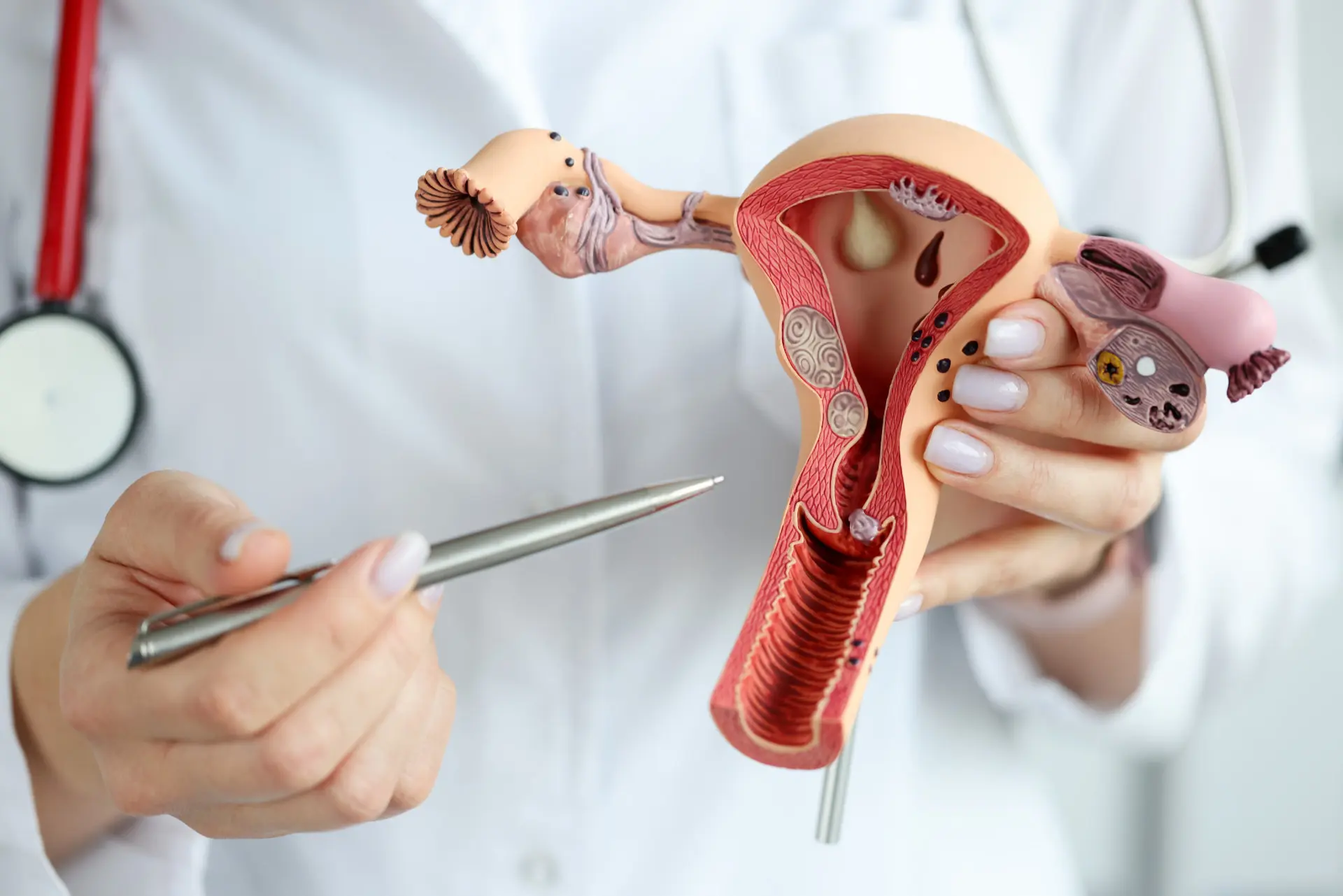
Endometrial receptivity is the uterus’s capacity to support embryo implantation during a brief period in the menstrual cycle. It’s key to both natural conception and assisted reproduction since the endometrium needs to express the right genes and respond to hormones at the right time for an embryo to latch on and develop.
Determining receptivity provides the clinician with information to time embryo transfer, which can impact rates of pregnancy, ongoing pregnancy, and live birth.
The Concept
Endometrial receptivity involves coordinated gene expression and hormonal signaling in the endometrium so the embryo can implant. The endometrium has two layers: the stratum basalis, which remains, and the stratum functionalis, which thickens and changes across the cycle under the influence of estrogen and progesterone.
In this receptive phase, hundreds of genes shift their expression, generating proteins that transform the surface and immune milieu to receive the embryo. This receptivity phase, termed the window of implantation, typically arises approximately 7 days after ovulation or exposure to progesterone.
For most individuals, this is a brief period of several days. Minor timing variations shift the window earlier or later. In IVF, embryo transfer has to align with that window. Otherwise, a viable embryo can fail to implant even if the embryo itself is strong.
ERA testing examines tissue from an endometrial biopsy to measure the expression of hundreds of genes and predict optimal transfer timing. A biopsy takes approximately two minutes and is performed without sedation.
The average ERA cycle lasts around 16 days with approximately 14 days more to receive results. U.S. Costs tend to fall between USD 800 and 1,500. The test is designed to personalize timing and not to apply a standard protocol.
The Challenge
Traditional IVF treatment protocols tend to homogenize the patient population and assume that everyone has the same window of implantation. Others have a shifted or non-classical window that can lead to failed transfers even when embryos look beautiful under the microscope.
Unexplained infertility and recurrent implantation failure are the first two situations where clinicians are likely to turn to the endometrium and ERA. Evidence is mixed: some studies show limited benefit for good-prognosis patients, where a mock-cycle ERA before frozen embryo transfer did not raise ongoing pregnancy rates.
It can be contingent on the patient’s history and on the clinician’s skill interpreting results. ERA may assist in select cases, but it’s no panacea and must be balanced against cost, timing, and clinical context.
The ERA Test
The ERA test is a molecular diagnostic tool that evaluates gene activity in endometrial tissue taken during a mock cycle. It aims to find an individual’s window of implantation by measuring patterns of gene expression tied to endometrial receptivity. The goal is to personalize embryo transfer timing rather than relying solely on standard protocols. Clinics in Houston, including Texas Fertility Center and other specialized providers, offer the test often after one or more failed transfers.
1. The Procedure
The ERA test necessitates a mock cycle with hormonal preparation similar to that of a frozen embryo transfer. We give patients estrogen and progesterone to generate the exact tissue environment they would have at actual transfer. An endometrial biopsy then gathers a small sample of the uterine lining.
The process lasts approximately two minutes, usually without the need for sedation. The biopsy is timed to coincide with the scheduled embryo transfer date so the lab can determine receptivity for that particular window. That’s one additional cycle and at least one more clinic visit, further increasing the time and expense of the IVF process.
2. The Science
The test examines expression of 248 genes associated with endometrial receptivity using molecular methods. These results then stratify the endometrium as either pre-receptive, early receptive, receptive, late receptive, or post receptive according to gene expression.
This method seeks to identify the optimal day to implant an embryo for a specific patient. Big trials and research are still figuring out how much the test improves live birth rates. Some find no significant difference relative to normal timing.
3. The Results
The results offer you a customized recommendation for when to transfer your embryos. Frequently, this includes altering the amount of progesterone exposure or shifting your transfer day.
A “receptive” result favors standard timing, whereas “pre-receptive” or “post-receptive” results mean the window should be shifted earlier or later. The test is not going to enhance pregnancy or live birth rates for everyone. Clinicians use ERA findings as one input among embryo quality, uterine anatomy, and patient history in planning future cycles.
4. Local Protocols
Houston fertility clinics decide individually who to offer ERA testing. Most hold it for patients with recurrent unexplained implantation failure or multiple failed IVF attempts. Major guidelines do not recommend routine ERA for all patients, and local consensus often aligns with that position.
Costs typically vary from around $800 to $1,500 in the U.S., so patients should inquire at each clinic for specific details on price and coverage.
5. Patient Journey
From consult to mock cycle, biopsy and results discussion, clear communication is important every step of the way. Patients should anticipate slight cramping or spotting post-biopsy and account for additional time and cost.
According to the ERA Test, research shows that an additional 20 to 30 percent of patients could stand to undergo receptivity testing, while others with a high likelihood of IVF success might not need it.
Houston’s Perspective
Houston is a hub for cutting-edge repro-medicine, with several clinics providing detailed fertility testing such as the endometrial receptivity assay (ERA). Local providers situate ERA in a broader diagnostic toolset that includes imaging, hormonal profiling, embryo genetics testing, and evaluating uterine pathology.
Clinics from Houston review ERA’s place in the context of ongoing research, patient history, and clinic-level results. Protocols stress evidence-based actions and patient-centered care, including counseling, costs, and the logistics of testing cycles.
Clinical Outcomes
Big randomized trials so far don’t demonstrate a clear live birth rate improvement when transfers are timed by ERA versus standard timing. A few small or targeted studies find benefit in cohorts with recurrent implantation failure, but newer meta-analyses call the general effectiveness into question.
For most routine IVF patients, including unselected single euploid frozen blastocyst transfers, ERA has not reliably increased pregnancy or live birth rates. Clinics should follow the ERA-related outcomes themselves, compare to published data and national benchmarks, and fine-tune patient selection accordingly.
Expert Evaluation
Top Houston reproductive endocrinologists aren’t dismissive of ERA, but are qualified skeptics and tend to recommend it in a limited manner. Common candidates are patients with recurrent unexplained implantation failure or those with indications of a displaced window of implantation.
Around 25% of women in certain series may have a displaced window. Counseling covers potential benefits, limits, costs, and the time burden. An ERA testing cycle often spans about 16 days, with roughly 14 more days for laboratory processing and results.
Our specialists examine your complete medical history, previous IVF cycle information, and treatment objectives prior to recommending ERA.
Local Research
Houston centers participate in continuous research and trials on endometrial receptivity, assisting to optimize practice for various patients and protocols. Local data contribute to questions about multifactorial receptivity: gene expression is important, but epigenetic changes, proteomic profiles, or other genes may matter.
The field has shifted from array-based assays to next-generation sequencing for more in-depth expression analysis. A few local studies investigate the possibility that the implantation window is actually closer to three days or that embryos implant at different times.
Here’s a snapshot comparing Houston results with broader findings.
| Outcome | Houston data (example) | National/Intl findings |
|---|---|---|
| Non-receptive rate in failed FETs | 40–45% | 35–45% |
| Improvement in live birth (ERA-guided) | Variable; limited | No consistent benefit |
| Displaced window identified | ~25% | ~20–30% |
Houston’s research feeds back into practice and informs when ERA is sensible and when it provides minimal benefit.
Is It For You?
The ERA test examines gene expression in an endometrial biopsy to predict the window of implantation. Use your fertility history, your IVF success, and transfer success to determine relevance. Consider expense, time, and the conflicting data on whether ERA increases live birth rates before making a decision.
Patient Criteria
- Checklist for ERA suitability:*
- Two or more failed embryo transfers with technically good embryos.
- Normal uterine cavity on imaging (hysteroscopy or saline ultrasound).
- No untreated endometritis or bulky fibroids/distortions.
- Stable hormonal replacement or controlled ovarian stimulation protocol.
- Previous cycles and results.
- Utilization of PGT-tested embryos reported and addressed.
Cross out repeat use for good prognosis IVF patients and first embryo transfers. Patients with three normal embryos, for example, already have a very high chance of pregnancy, as much as 95% according to some data, so ERA seldom alters management there.
Embryo quality, uterine health and hormonal milieu matter more than small shifts in endometrial timing. Embryo genetic abnormalities and embryo quality are still the leading causes of implantation failure, not a 12 hour shift of the lining. Maintain a simple, written checklist to discuss with your clinician so decisions are objective and open.
When Recommended
ERA is generally recommended after two or more unsuccessful transfers where embryos look good and the uterus tests normal. In such cases, clinicians hunt for rare reasons for implantation failure and might check endometrial timing as one factor in the equation.
For surrogates who have failed cycles despite demonstrated fertility in the past, ERA is occasionally considered, though data is scarce. They do not recommend routine ERA for the general IVF population or for good prognosis patients.
Three randomized trials have demonstrated no benefit in live birth with ERA-guided timing, including one that actually found 61.9% live birth in a standard-timed group and 58.5% in an ERA group. A bigger study of 978 outpatients found no statistically significant difference between timed and standard protocols.
Prices in the US run around $800 to $1500, so balance cost versus ambiguous reward. For patients with PGT-tested embryos, studies show even less probable gain.
Talk about candidacy and realistic expectations with a reproductive endocrinologist. Weigh potential minor benefits against increased protocols, expense, and latency. Based on your specific IVF history and clinical findings, make your decision.
Financial Considerations
ERA introduces additional financial and timing considerations to an already costly fertility route. Here’s a quick rundown of important financial considerations patients should take into account when planning for ERA testing.
- The direct cost of the ERA test itself and any lab fees.
- Expense of an additional mock cycle and timing medications.
- Biopsy procedure fees and related clinic visit charges.
- Costs for ultrasounds, blood work, and pathology review.
- Potential need for embryo thawing/transfer scheduling changes.
- Travel and time-off work expenses for repeated visits.
- Fertility medication costs for mock or preparation cycles.
- Variations in pricing by clinic, region, and provider.
- Bundled IVF packages or discounts that cover ERA.
- Insurance coverage limits, FSA/HSA eligibility, and reimbursement rules.
- Counseling or financial planning services offered by clinics.
Local Costs
Usual ERA prices in Houston fertility clinics tend to fall somewhere between approximately 800 and 1,500 USD. A few centers report charging more if combined with lab analysis or rushed delivery. Many clinics have packages that combine ERA with a mock cycle and biopsy for one price.
Additional fees commonly appear, including ultrasound scans before biopsy, pathology charges, and follow-up consultations. Have the clinic give you an explicit itemized bill so you know what you are getting and what is extra.
Mock cycles and biopsies are typically billed independently. Anticipate separate charges for medications, monitoring visits, and the biopsy procedure. Some clinics cover the lab fee but not the clinician one, which results in surprise bills.
Financial counselors at clinics can assist in demystifying line-item charges and recommending payment plans. Make a rate sheet of ERA costs at nearby clinics to identify hidden charges and to evaluate worth.
Insurance Nuances
Most insurance plans consider ERA to be elective or experimental and do not cover it. Patients should check the details of coverage with their insurer directly. Call and inquire if the test, biopsy, or whatnot is covered and if you need prior authorization.
FSAs and HSAs frequently permit payment for ERA and associated out-of-pocket expenses. Save your receipts and billing code descriptions. Track all ERA expenses closely, including labs, biopsies, and travel, so you can have these reimbursed or used for taxes where permitted.
IVF costs are substantial and often dwarf ERA fees. Studies report IVF ranging from 15,000 to 25,000 per cycle, with 2023 averages near 19,000 to 24,000. Medications tack on an additional 1,000 to 5,000. PET exhibited increased cumulative pregnancy rates in one study and may be more cost-effective than multiple standard transfers.
A Personal Decision
Deciding on ERA testing remains a personal choice influenced by your medical history, treatment objectives, and financial situation. For some, the test seems like a helpful data point that could customize embryo transfer timing. For others, it seems like an extra fee and a delay with little evidence of value. Good prognosis patients—young, strong ovarian reserve, high quality embryos—demonstrate little to no obvious benefit from ERA. A randomized controlled trial of 767 patients found no significant improvement in live birth rates with ERA, a key piece of evidence to consider.
Age impacts egg and embryo quality and can shift the balance of importance between endometrial timing and embryo quality. Ovarian reserve and previous IVF cycles matter. Someone with several failed transfers or recurrent implantation failure might lean toward testing to look for a shifting window of implantation. Others planning multiple cycles might see the test as a one-time investment to inform later attempts.
Expense and time are important as well. The ERA can add an expense and a cycle delay, and some opt that it’s not worth that trade-off. Balance science, clinical opinion and your own personal priorities. Clinical advice differs from clinic to clinic and case to case. Some centers provide ERA only sporadically, such as following multiple failed transfers. Others almost never utilize it.
Review the data, such as the trial results and limits of existing studies, with your care team. Inquire how the ERA results would impact your treatment plan. If finding out something won’t change what you do, the test might be less helpful. Open communication with your fertility doctors, nurses, and support staff is key.
Ask specific questions: How often do you use ERA here? How would results affect the timing or type of transfer? They’re a personal decision: what they cost and what you can do! What if the results aren’t clear? Straight talk clears the way for matching expectations and not doing unnecessary work. Bring partners or support people into these conversations if that aids your decision.
Keep in mind that getting pregnant is not only about the endometrial receptivity. Embryo quality, chromosomal status, uterine anatomy, immune or clotting issues, and general health factor in. ERA zeroes in on one thing. For some, ERA is a valuable personal investment in reproductive care. For others, it’s not worth the coin. Weigh the possible positives and negatives with your priorities, background, and what your clinic advises.
Conclusion
The ERA test provides a window into the optimal window of embryo implantation. It examines gene expression in the uterine lining and identifies changes in the implantation window that an ultrasound or blood test overlooks. Clinics in Houston provide the test with IVF and frozen embryo cycles. Many patients report that it helps prevent failed transfers and eliminates wasted cycles. Prices differ, so see rates and coverage. While it can’t serve as a general screening test, for a woman with repeat transfer failures or unexplained implantation issues, the test can provide valuable information. For others, it won’t change the plan. Discuss with your fertility team, consider any lab reports, and balance the advantage versus expense. Are you prepared to address this with your clinic or need assistance formulating questions?
Frequently Asked Questions
What is the ERA test and how does it work?
The ERA is a biopsy-based test that examines gene expression in the endometrium. It detects the window of implantation to schedule embryo transfer for an improved likelihood of pregnancy.
Who should consider an ERA test in Houston?
Patients with multiple IVF implantation failures, unexplained implantation failure, or recurrent miscarriage may want to explore ERA. A fertility specialist in Houston can determine if it is right for your situation.
Is the ERA test accurate and evidence-based?
ERA test houston endometrial receptivity period The ERA is backed by peer-reviewed studies that show it can identify receptivity. Outcomes are case-dependent, and a fertility clinic will want to examine your complete history before suggesting it.
How long does it take to get ERA results?
Results will usually come back 7 to 14 days post biopsy. Your clinic utilizes the timing to schedule an individualized embryo transfer cycle.
Is the ERA test painful or risky?
The biopsy itself is typically quick and induces mild cramping or spotting. Serious complications are rare, so discuss risks with your provider before the procedure.
How much does the ERA test cost in Houston?
Prices differ broadly per clinic and insurance plan. Anticipate consultation, biopsy, lab processing, and further cycle costs. Request a complete price estimate from your Houston clinic.
Will a personalized embryo transfer after ERA guarantee pregnancy?
There is no test that can promise pregnancy. ERA can sometimes optimize timing and improve chances for certain patients. Success ultimately relies on factors such as embryo quality and overall health.