
Posted July 29, 2025 in Fertility Blog & Information
15 minute read
Key Takeaways
- Blue light is an inherent component of visible light, though contemporary technology has amplified our exposure, particularly from screens and LED lights.
- Too much blue light, especially at night, can confuse your body’s internal clock and cause hormone imbalances that throw off your sleep, metabolism, mood, and sense of overall well-being.
- Melatonin suppression and cortisol imbalance from late-night blue light can damage your sleep and stress levels, so it’s crucial to minimize screen exposure before bedtime.
- Artificial sources of blue light are different than natural sunlight, with respect to intensity and duration. Therefore balancing indoor and outdoor light exposure as Gifkins suggests supports healthy biological rhythms.
- Easy wins like light hygiene, blue blockers and lifestyle changes can minimize adverse consequences.
- Understanding blue light and taking active steps to minimize its effects can optimize sleep, support endocrine health and shield you from digital aging and eye strain for readers across the globe.
Blue light hormone disruption refers to shifts in the body’s hormone levels induced by blue light, most commonly from screens and LED lighting. Research connects blue light to reduced melatonin, the hormone that aids sleep. Excess night-time screen exposure can not only postpone sleep and advance the body’s internal clock, but disrupt other hormones such as cortisol, which regulates stress. These changes can manifest as sleep problems, depression, or difficulty concentrating. Blue light exists from the sun, but indoor lights and devices now contribute to daily exposure. MANY PEOPLE ARE CURIOUS whether screen habits can alter their health. The meat will reveal what science has to say, who’s most at risk and how to mitigate these effects.
Understanding Blue Light
Blue light, a form of visible light with short wavelengths and high energy, occurs naturally in sunlight but is emitted from artificial sources. It’s ubiquitous in modern life, from smartphones and tablets to LED lighting. These sources keep blue light exposure persistent, day and night. Blue light plays an important role in biological regulation, particularly circadian rhythms, by impacting melatonin production which helps regulate sleep cycles.
The Spectrum
Blue light falls in the visible light spectrum between approximately 450- to 495-nanometers (nm). It has shorter wavelengths than green and red light, which means it has more energy. This high energy makes blue light especially effective at suppressing melatonin, assisting in resetting your internal clock for the day. Relative to longer wavelengths such as green (505nm) and yellow (555nm), blue light is better for alertness but might be disorienting if encountered late in the day. All types of light, from sunlight to LEDs, have high levels of blue light, with many peaking in this range.
| Color | Wavelength (nm) | Energy Level | Effect on Physiology |
|---|---|---|---|
| Blue | 450–495 | High | Suppresses melatonin, boosts alertness |
| Green | 495–570 | Medium | Less effect on melatonin |
| Yellow-Red | 570–700 | Low | Minimal effect on circadian rhythms |
Natural Sources
- Sunlight
- Reflected sky light
- Some firelight
Natural blue light from the sun is important for health. Morning exposure helps align circadian rhythms, making for alertness. Daylight hours shift as the seasons change, so blue light levels fluctuate which impacts mood and sleep. Being outside helps equilibrate light exposure so that the body can more readily maintain a consistent circadian rhythm.
Artificial Sources
- LED screens (phones, tablets, computers, TVs)
- LED lighting
- Fluorescent bulbs
Almost all of our indoor environments are powerful sources of artificial blue light. Our days are filled with countless hours in front of screens, particularly in the evening. This can decrease melatonin, reduce sleepiness and increase alertness when rest is desired. Artificial blue light is usually prolonged and more intense than natural sources, which can interfere with normal hormone patterns.
The Hormonal Cascade
This hormonal cascade, commonly referred to as the hypothalamic-pituitary-adrenal (HPA) axis, keeps a tight ship. This circuit governs stress, sleep, metabolism, growth and beyond by transmitting hormones between the hypothalamus, pituitary and adrenal glands. The presence of blue light in the mix—even more so at night—can tip the scales in this cascade. Bright light influences both melatonin and cortisol, the two primary hormones that direct the body’s circadian rhythm. Because the HPA axis is connected to the circadian rhythm, changes in light exposure cascade through hormone production, sleep, appetite, and even immune function. Recognizing this cascade illuminates why blue light at the wrong time may leave permanent health scars.
1. Melatonin Suppression
Blue light at night slows melatonin release from the pineal gland. Melatonin tells the body when it’s time to downtime and recover.
If melatonin falls, sleep becomes shortened and not as deep. We might have more trouble falling asleep or waking up at the appropriate time. Lower melatonin isn’t just about tiredness—it can increase risks for chronic problems, such as heart disease and compromised immune system. Maintaining melatonin’s on-track status contributes to keeping the sleep cycle robust, which makes daily life hum.
2. Cortisol Imbalance
Blue light late in the day elevates cortisol when it should be dropping. Cortisol peaks in the morning, stirs the body awake and falls at night for rest.
Excess cortisol for too long can tax the heart, fray blood sugar and exhaust the immune system. This hormone manages stress, but with perpetually blue light exposure, the stress response remains turned on. Easy measures such as dimming displays or applying blue light filters in the evening reduce cortisol and improve rest.
3. Appetite Dysregulation
Blue light can disrupt hormones that control appetite, like ghrelin and leptin. Bad sleep from shifted circadian rhythms causes more cravings for calorie-rich foods.
Most of us snack too much at night after screen-time. Over time, this pattern can result in weight gain and difficulty controlling appetite. Maintaining light exposure natural—bright in day, dim at night—assists the body in maintaining hunger signals.
4. Endocrine Disruption
Endocrine disruption means hormone signals inside our bodies fall apart. Blue light can disrupt glands such as the thyroid and adrenals.
Over time, this could translate into increased risks for metabolic, immune or reproductive issues. Several things contribute to hormonal health, but light is one that’s straightforward to change.
Hormone balance starts with small daily choices.
5. The Master Clock
The circadian clock directs sleep, hormone secretion, and even affect. Blue light keeps this clock in daytime mode long after dark.
When your clock’s out of whack, everything from sleep to metabolism can go awry. Getting your routine lined up with sunrise and sunset can help your body work its best.
Beyond Sleep Loss
Blue light is about more than just sleep. Its impact extends into numerous organ systems. Daytime blue light keeps us awake and helps reset our body clock by switching off melatonin, a primary sleep hormone. The story changes at night, particularly if blue light emanates from screens or LED lights. These same sensitive cells in our eyes are most receptive to blue light between 446 and 477 nm, meaning it can disrupt natural rhythms and hormone cycles. The chart below sums up key long-term risks from ongoing blue light exposure:
| Condition | Possible Impact | Example/Context |
|---|---|---|
| Metabolic Disorders | Higher risk of diabetes, weight gain | Disrupted sleep affects insulin action |
| Mood Disorders | Elevated rates of depression, anxiety | Sleep loss impacts mental health |
| Heart Health | Raised heart rate, possible cardiac strain | Some studies show faster heart rates |
| Cognitive Function | Mixed results: sharper focus or no effect | Varies by age, time, and duration |
| Aging & Oxidative Stress | Faster cell aging, more chronic disease risk | Cell stress from blue light |
Metabolic Health
Numerous research links chronic blue light exposure with blood sugar and weight issues. When blue screen or LED lights keep us awake, sleep cycles collapse. Short sleep connects to insulin resistance–a state in which the body cannot use insulin effectively–which increases risk for diabetes and weight gain. This applies to adults and can begin in adolescence.
Maintaining a consistent sleep schedule is crucial for stabilizing physiological rhythms. When light exposure is di-synchronous, particularly at night, so do the hormones like insulin and cortisol. Even low-intensity blue light prior to bedtime can shift our body clock and alter the timing of hormone release. This can make it difficult to maintain a healthy weight and normal blood sugar. Opting for dimmer, warmer light in the evening and maintaining consistent sleep schedules might assist.
Mood Disorders
Blue light can create mood swings and cause mental health problems. Late night screen time, which causes disrupted sleep, can increase the risk for depression and anxiety. That’s because sleep loss alters mood and stress-related brain chemicals. The issue can be more severe for shift workers or those who frequently cross time zones.
Controlling blue light at night—via screen filters or putting devices on night mode—could reduce these risks. Consistent sleep-wake times assist in maintaining mood stability by regulating innate hormone cycles. Circadian rhythms direct not just sleep, but how we experience ourselves day to day.
Cellular Stress
Blue light can stress cells by generating oxidative damage. That’s more “wear and tear” on the body, aging it faster and increasing the risk for diseases like cancer or heart disease. Shielding cells is important for longevity.
Quick fixes—wearing blue light glasses at night, taking screen breaks and selecting gentler lights—can reduce strain on cells. Consuming antioxidant-rich foods and maintaining a healthy sleep schedule serve to protect the body.
The Sunlight Paradox
The sunlight paradox is that while we require sunlight to remain healthy, excess blue light, particularly from screens or lamps during the evening, disrupts our hormones and sleeping patterns. They receive the finest light of the sun by day. For instance, direct sun can reach 100,000 lux, whereas full daylight provides approximately 25,000 lux. These figures are much higher than we receive inside. The sun’s light is diffuse and multi-colored, not just blue. This combination is critical for the body’s circadian rhythm — the natural clock that helps determine when we sleep and wake.
There’s nothing like some sunshine, particularly in the morning to jump start the body. It makes you alert, boosts your spirits and initiates the body’s own vitamin D production. This isn’t surprising, since Vitamin D is essential for bone health and the immune system. Morning light may help to keep that sleep-wake cycle regular, which translates into more restful nights and alert days. It’s why these low-sun folks, like in the northern countries with extensive ‘dark periods’, use light boxes to combat their low mood or depression. It functions by mimicking the benefits of sunlight, demonstrating to us how much our bodies rely on real, bright light.
There’s a flipside. Even light above 10 lux during the evening hours, whether from indoor lights or screens, tends to cause more night-wakings and less deep sleep. Our body’s clock is programmed to function with a 24-hour day-night cycle (diurnal pattern). The proliferation of artificial light—phones, TVs, and lamps—has altered our daytime exposure to bright light and our nocturnal exposure to blue light. Both are important for healthy rhythms, as the impact of evening light can frequently be contingent on your earlier daylight exposure.
Finding a balance with sunlight is crucial. Get outside during the day, slather on sun protection as needed, and keep evenings dim and screen time short. This conscious cocktail seeds improved sleep, mood, and well-being.
Digital Aging
Digital aging is the way that frequent exposure to digital screens accelerates noticeable and not-so-noticeable aging signs, in both skin and eyes. Blue light, a high-energy visible light emitted by screens, is a culprit behind these changes. Long-term exposure can alter skin aging, increase eye strain and even disrupt sleep and hormone cycles. Protective steps may slow these effects.
Skin Health
Blue light accelerates signs of skin aging, including wrinkles and uneven tone, particularly with prolonged and close facial screen time. Research indicates blue light can penetrate more than UV rays, causing oxidative stress and premature skin aging. It appears to compromise the skin barrier, which makes it difficult for skin to retain water. This stripping of moisture can leave skin dry and dull.
A good skincare routine should address blue light. Creams and serums now go so far as to say they have “blue light protection” on the label. Search for antioxidant-rich products, such as vitamin C or E, that combat oxidative stress. There are physical barriers, such as mineral sunscreens that contain zinc oxide, which can protect skin from photodamage.
Eye Strain
Digital eye strain refers to tired or sore eyes following screen use, and it’s associated with blue light. Typical symptoms include eye strain, dry eyes and headaches. About 59% of us suffer these symptoms with normal device use.
Extended screen exposure can photochemically damage the retina and may increase risk for age-related macular degeneration, the connection is still being researched. Blue light filters, either integrated into screens or as glasses, can soothe pain. Taking mini-breaks—such as glancing outside every 20 minutes—helps reduce eye strain.
Hormonal Disruption
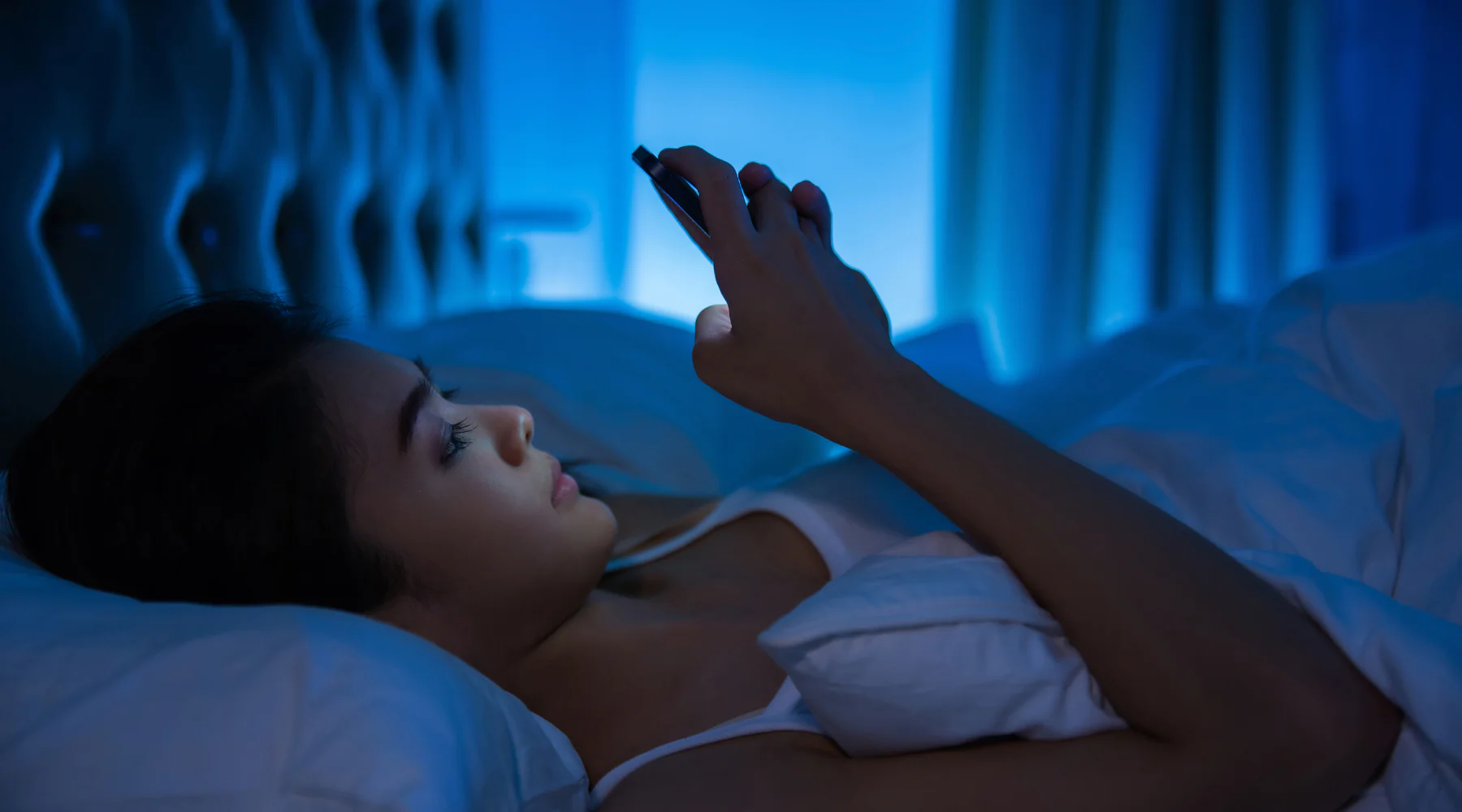
Blue light from screens at night can keep us up and shift hormones, even with dim lighting—just 30 lux can delay sleep. The body’s clock relies on consistent light signals, and late blue-light exposure suppresses melatonin. This results in difficulty in falling asleep and reduced mental acuity the following day.
Daytime blue light can enhance alertness and mood as well, demonstrating it’s not inherently bad.
Protective Measures
Use blue light filters.
Take screen breaks.
Apply skincare with antioxidants.
Limit screens before bed.
Reclaiming Your Rhythm
Contemporary living tends to place us in front of screens well past sun down, which throws a wrench into the body’s natural circadian rhythm. When blue light runs late into the evening, melatonin drops and sleep becomes elusive. To reclaim your rhythm, some pragmatic focus can assist. A consistent sleep schedule coupled with improved light habits and intentional technology usage all contribute.
Light Hygiene
- Turn off screens at least an hour before bed. This provides your mind time to relax and release melatonin gearing up for sleep.
- Use dim red lights or night mode on electronics to reduce blue light in the evening.
- Keep bedroom lights dim and opt for warmer bulbs at evening.
- Turn your bedroom dark and quiet to create the right sleepy mood.
By dimming lights and switching to warmer colors, you’re helping to signal to your body that it’s time to wind down. These tiny tweaks encourage a more seamless shift into sleep and can help lull you to sleep. A sleep-friendly room, free of bright lights and noise, paves the way to deep rest.
Tech Solutions
- Utilize device settings or apps to warm screens after sunset.
- Wear blue light blocking glasses if you really need to use devices at night.
- Install screen filters or covers that block blue wavelengths.
- Set up reminders to limit screen time before bed.
Apps and integrated night modes can reduce blue light, which has a significant effect on how fast people fall asleep. Filters and covers provide additional protection. Employing these implements with caution and not simply defaulting on them keeps health in the forefront.
Lifestyle Shifts
Get outside more during the day to reset the body’s clock. Sunlight is the best circadian time cue, so getting a daily walk or time outside really helps. Even moderate activity, like mixing screen time with restful activities like reading or pursuits, can ease the burden on eyes/hormones.
Getting ahead of the light—like by establishing a consistent bedtime and honoring it—can result in improved slumber, more stable mood, and even metabolism and hormonal balance. For others, this habit can even help keep cycles on cycle.
Conclusion
It can disrupt important hormones and disrupt your circadian rhythm. Bright screens at night delay melatonin and crank up stress. Tired and mood shifts, not just lost sleep. Many people) Daylight evens things out but extended screen light alters that balance. Skin ages quicker, eyes sting, and habits slide. Easy moves like turning down screens and going outside during the day re-align things. Little gestures accumulate. Each decision can reset your body. For more ways to build a better balance, browse trusted guides or consult with a health expert. Your body will appreciate it.
Frequently Asked Questions
What is blue light and where does it come from?
Blue light is a high-energy, short-wavelength visible light. It’s present in sunlight and emanates from digital displays, LED lights and fluorescent light bulbs.
How does blue light disrupt hormones?
Blue light, which can inhibit melatonin — the sleep hormone. This disruption can throw off your body’s circadian rhythms and hormonal balance.
Can blue light exposure affect sleep quality?
Yes. Blue light, particularly before sleep, can disrupt natural melatonin release, which is why it’s associated with difficulty falling asleep and reduced sleep quality.
Is blue light from screens as harmful as sunlight?
Blue light from screens is less powerful than the sun. However, extended exposure, particularly at night, can still wreak havoc on sleep and hormone rhythms.
Does blue light cause other health problems besides sleep loss?
Studies imply blue light can further influence your mood, exacerbate eye strain, and speed skin’s aging through collagen-damaging.
Are there ways to reduce blue light exposure?
Yes. Avoid screens before sleep, wear blue light glasses or use filters, and get sunlight exposure during the day to help your body wake up.
Why is sunlight important despite its blue light content?
Natural sunlight keeps your body’s internal clock in check and facilitates vitamin D synthesis. You need a healthy balance of exposure.