
Posted September 07, 2025 in Fertility Blog & Information
14 minute read
Key Takeaways
- Knowing what adenomyosis is and how it affects the uterine environment sheds light on why it causes fertility issues and what symptoms it may present, e.g. implantation failure or hormonal disruption.
- Together with holistic strategies-laden with an anti-inflammatory diet, stress management and mindful movement, your reproductive health can thrive and natural fertility can be supported.
- Focusing on hormonal balance via regular monitoring, nutritional tweaks, and herbal supports can aid symptom management and improve fertility potential.
- Complementary therapies such as acupuncture, herbal support, and pelvic physiotherapy can offer additional symptom relief and boost overall wellness.
- By tracking ovulation and staying proactive with your care team, you can catch your conception windows and risk for pregnancy as early as possible.
- By developing a community and exchanging stories, we gained strength to face our fertility paths head-on.
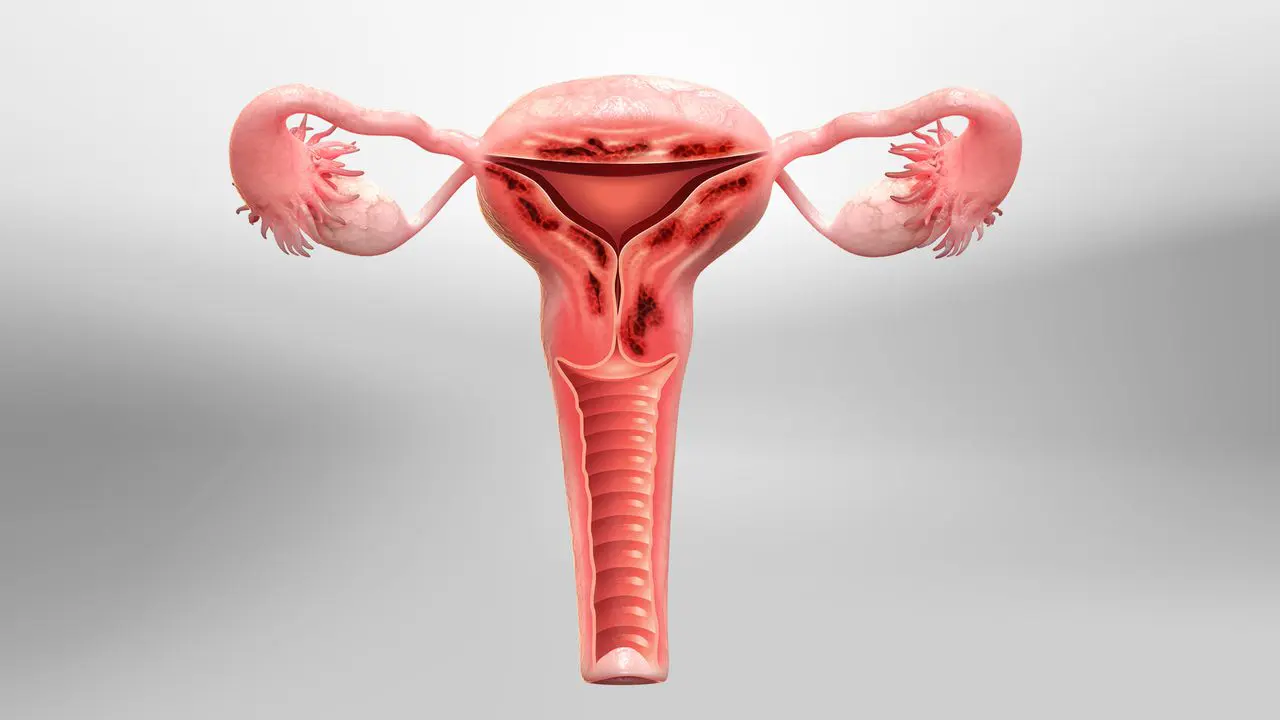
Adenomyosis natural fertility tips provide suggestions for enhancing fertility with adenomyosis using natural and non-invasive approaches. Adenomyosis is when tissue grows into the muscle wall of your womb, causing pain and often impairing ability to conceive. Some are seeking simple actions to increase their odds without powerful drugs or surgery. Pro-tips could be balanced meals with plenty of fruit, light exercise such as walking, stress management, and cycle monitoring to determine the optimal days to conceive. A few also rely on warm pads or herbal teas to soothe pain. To figure out which tips work best, it helps to understand how adenomyosis impacts your body and daily life.
Fertility Impact
Adenomyosis warps the uterus, making conception more difficult. The disease can interfere with uterine functioning, hormonal balance and trigger symptoms that reduce fertility. They can present as difficulty with implantation, irregular cycles, or recurring miscarriages.
Uterine Environment
Adenomyosis tends to cause an enlarged uterus, which can exert pressure on adjacent organs and hinder embryo implantation. When the uterus swells, the lining can become thicker or irregular and not as prepared for a pregnancy. These lesions in the uterine muscle can interfere with blood flow and the lining’s ability to repair itself. This can reduce the likelihood of a viable embryo implanting, particularly when the junctional zone (JZ) is impacted. Research discovered that a thickened JZ is associated with increased embryo implantation failure in adenomyosis women.
A good uterine lining is crucial for any pregnancy. Adenomyosis associated inflammation can trigger swelling and scarring, both of which oppose embryo development. Uterotubal transport, in other words eggs and sperm traveling through the uterus and tubes, can become obstructed. It makes it more difficult for the egg and sperm to rendezvous, and for the embryo to find that prime real estate where it can thrive.
Implantation Failure
Implantation can fail if the uterine lining isn’t adequately prepared or hormone levels are off. Women with adenomyosis can experience recurrent miscarriages or heavy, painful periods. These are red flags that the lining cannot sustain a pregnancy.
Repairing the uterine environment blows. Treatments such as laparoscopy or medications to reduce inflammation can increase the chances of a pregnancy taking hold. Research demonstrates that women with adenomyosis who undergo IVF have less chance of getting pregnant, roughly 24% versus 45% in women without the disease.
Hormonal Disruption
| Hormonal Imbalance | Consequence on Fertility |
|---|---|
| Low Progesterone | Poor lining, can’t hold embryo |
| High Estrogen | Unstable cycles, thickened wall |
| Irregular LH/FSH | Ovulation problems, less eggs |
Progesterone is required for a healthy endometrium. Without it, your body can’t carry a baby. High estrogen is another problem. It can thicken the lining too much so the embryo can’t stick. Maintaining these hormones at a stable level is the trick for improved fertility results.
Symptom-Fertility Link
Pain, heavy menses and irregular cycles often accompany adenomyosis.
These symptoms can signal deeper fertility problems.
For older women with adenomyosis, the odds are even more difficult—some studies find 0 pregnancies after age 35.
GnRH-a treatments and surgery may help some women.
Natural Fertility Strategies
Natural fertility strategies for adenomyosis more often than not translate to lifestyle shifts that support the body and mind. Since most people over 30 experience a shift in fertility, this stuff is important. Easy habits might help control symptoms and provide a greater opportunity to conceive.
- Final Sentence – Eat a diet with whole foods, lean proteins, fruits and veggies
- Add omega-3 fatty acids and limit processed foods
- Maintain a healthy weight and exercise daily
- For emotional health, attempt stress relief, such as yoga or meditation.
- Track ovulation and time intercourse for higher chances
- Think about acupuncture, herbal supplements, or gentle movement
- Build a sleep routine and tweak your sleep space
- Check hormone levels and see your doctor often
1. Anti-Inflammatory Diet
Consuming anti-inflammatory foods can combat adenomyosis. Prioritize meals with lots of color—berries, leafy greens, bell peppers and tomatoes all have antioxidants. Omega-3s from flax, chia, walnuts or oily fish can help balance hormones. Strive to keep processed snacks, sugar laden drinks and fried foods off your plate. Center your meals around whole grains, lean and plant-based protein. This combo promotes healthy circulation and can help alleviate symptoms. I know a lot of people find that keeping a food diary helps identify what’s best for them.
2. Hormonal Balance
Monitoring hormones provides fertility insight. Fiber heavy foods, such as beans and oats, have been shown to decrease excess hormone levels. Others try natural supplements, like vitamin D or magnesium, even after consulting with their physician. Routine check-ups keep you in the loop regarding your hormone status — a critical aspect for those with adenomyosis. Ovulation tracking with apps or basal thermometers comes to the rescue of some find their magic days.
3. Stress Reduction
Stress can reduce fertility and exacerbate symptoms. Mindfulness techniques like meditation, guided breathing, or gentle yoga promote relaxation and reduce pain. Support groups or talking with friends can help you navigate hard days or exchange advice. Even a 10-minute breather to stretch or walk around can help boost your mood and reduce stress hormones.
4. Mindful Movement
Such gentle movement such as walking, pilates or swimming, increases blood flow to the pelvic region. Don’t push too hard—listen to your body and ease back if you’re sore. Intermingle stretching or light resistance work for balance and comfort. Others say mindful exercise helps mind and body.
5. Sleep Optimization
Good quality sleep keeps hormones stable. Maintain regular sleep hours. Darken your room and make it quiet. A brief wind-down ritual, such as reading or deep breathing, can do you good and make you fall asleep sooner. Small steps change the world.
The Gut-Uterus Axis
The gut-uterus axis connects the gut with the uterus via a bidirectional network. This axis allows the gut and uterus to exchange signals and small molecules. The vagus nerve is a major contributor here, serving as an intermediary that facilitates ‘communication’ between these organs. Increasingly, research highlights the gut microbiome—the mix of bacteria and other microbes in the gut—as a key factor for reproductive health. In people with adenomyosis or endometriosis, we see that the gut microbiome typically appears altered compared to people without the disease. This demonstrates the potential connection of gut health to uterine health.
When the gut microbiome is imbalanced, a condition known as dysbiosis, the entire system can derail. Dysbiosis is associated with a variety of reproductive complications, including infertility, miscarriage, and even preterm labor. Gut imbalances can screw with hormone levels, like estrogen and progesterone. These hormones influence not just the menstrual cycle, but how your uterus and gut collaborate. For instance, estrogen fluctuations can alter the composition of the gut microbiome. The effect goes both ways: gut bacteria can change how the body processes and clears hormones, which can shape fertility and uterine health.
Diet is one actionable way to support the gut-uterus axis. Increasing plant-based fiber helps nourish beneficial gut bacteria. Foods such as beans, whole grains, leafy greens, and seeds are simple ways to add fiber. Probiotics — in yogurt, kefir and fermented foods — may assist by introducing more good bacteria. Research indicates these easy modifications reduce inflammation and maintain a healthier gut and uterus. While individuals with adenomyosis may benefit from these lifestyle adjustments to manage symptoms and promote fertility, further research is required to determine the strength of these connections.
Complementary Therapies
Complementary therapies for adenomyosis symptoms and fertility Millions use them globally—around 50–63% of infertile patients in countries such as Iran and South Korea report trying them. The following table summarizes popular choices and benefits.
| Therapy | Possible Benefits |
|---|---|
| Acupuncture | May regulate cycles, improve blood flow, ease pain |
| Herbal medicine | Can reduce symptoms, support hormone balance |
| Pelvic physiotherapy | Relieves pelvic pain, improves muscle strength |
| Moxibustion | Used with acupuncture to increase uterine warmth |
| Mind-body therapies | Lowers anxiety, helps with emotional well-being |
Acupuncture
Acupuncture is a component of traditional Chinese medicine and has been practiced for more than 2,000 years. It’s the practice of inserting thin needles at strategic points to restore the body’s equilibrium. A few studies hint that acupuncture and electroacupuncture can increase endometrial receptivity — the ability of the uterine lining to sustain a pregnancy. This complementary therapy may improve blood circulation to your uterus, assist in regulating your cycles, and alleviate pain from adenomyosis. While many women with adenomyosis experience stress or anxiety, consistent acupuncture treatments can help induce a calmness. For maximum effect, it’s crucial to consult a licensed acupuncturist who’s familiar with reproductive medicine.
Herbal Support
Herbs like chasteberry and turmeric may occasionally be used to support hormonal health and alleviate symptoms like cramping or heavy periods. It’s wise to exercise caution—herbal remedies are not universally safe and can have interactions with other medications. See a good practitioner before undertaking any herb plan. Used intelligently, herbs can be part of the equation, but they’re most effective in combination with other nutritious behaviors, not as a magic bullet. While some women swear by these natural options, the jury is still out and the effects are highly individual.
Pelvic Physiotherapy
Pelvic physiotherapy can address pain and regain function. Here’s a checklist for common pelvic floor exercises:
- Deep breathing with pelvic floor release
- Gentle core strengthening
- Bridge pose with pelvic tilt
- Relaxation stretches
A experienced pelvic therapist can customize a regimen for you. Practicing these exercises most days can enhance pelvic muscle strength, relieve pain, and strengthen your reproductive health in the long run.
Pregnancy Considerations
As a whole, adenomyosis can alter the appearance and experience of pregnancy. It can impact both getting pregnant and pregnancy health. Knowing what to look for, how to track your cycle and what risks to plan for can make a big difference.
Conception Window
For a lot of folks, adenomyosis can throw cycles off, but ovulation tracking is still critical. BBT charts, OPKs and cervical mucus checks all assist in identifying the fertile window. A plain calendar or simple chart works well to track cycle days and record variations in flow or pain.
Timing sex for the two days before and the day of ovulation can help. If cycles shift, it helps to keep notes on symptoms like cramps or heavy bleeding, which sometimes hint at underlying ovulatory patterns. Adjusting to these changes, even month to month, may give a clearer sense of the best time to try.
Potential Risks
Adenomyosis carries some serious risks. Research indicates increased risk of miscarriage, pre-term labor and decreased IVF outcomes. Women with a thicker junctional zone, over 7 mm, or with diffuse rather than focal adenomyosis have an even greater risk for loss or preterm birth. Chronic inflammation in the uterus can increase the likelihood of pain, bleeding, and even elevated intrauterine pressure, which occasionally sparks preterm labor.
It’s worth discussing with your provider what symptoms to watch for, such as sharp pain or heavy bleeding, and what to do if problems arise. Others might require more medical attention or treatments, particularly if the uterus is distended or the bleeding is heavy.
Proactive Care
Being proactive with regular check-ups keeps tabs on adenomyosis and fertility. Talking openly with a healthcare provider about lifestyle changes, such as diet, gentle exercise, and ways to lower stress, can support both body and mind. New research emerges frequently, so it’s wise to inquire about new possibilities or treatments.
A support network counts, as well. Mind & stress play a part in fertility, therefore coping skills and friend or family support can provide much-needed grounding during the highs and lows.
A Personal Journey
Adenomyosis can alter everything from everyday ease to strategies for conceiving. Certain women may not experience any symptoms, however, others struggle with excruciating pain, persistent bleeding, or profound exhaustion. These symptoms can impact not just your body but your mind and perspective. For most, the worst part is the way adenomyosis can complicate conception. The disease might alter the uterus’s shape, impede sperm, or inflame in a way that delays or prevents fertilization. Each woman’s journey is unique—some have years of unknown, others discover it once they’re having a hard time getting pregnant.
Tales from the trenches of the adenomyosis community Another is that of an individual who tests multiple therapies until he uncovers a regimen that works, like combining light exercise, nutritious eating and stress reduction. For others, it’s yoga, or walking, or swimming every week that restores energy and optimism. Others pay attention to what they eat, incorporating more produce and healthy grains, and reducing processed foods. These steps won’t cure adenomyosis, but they can help the body feel more resilient and promote fertility.
Handling the emotional side is every bit as important as the physical symptoms. A lot of women report they experience stress, sadness or grief–particularly when facing infertility. Mental health support — be it through talking with friends, joining online groups, or meeting with a counselor — can help lighten the burden. Trading stories and advice within the community helps us feel less isolated and provides inspiration that can resonate for others. Open conversations on challenges and victories shatter the silence, creating space for optimism and effort.
Age, too, is a big part of the journey. Adenomyosis tends to improve post-menopause, so treatment and life plans often evolve. The correct approach is almost never easy and could range from pharmaceutical intervention to organic lifestyle shifts. Every decision is based on symptoms, age, and individual objectives.
Conclusion
Adenomyosis might decelerate the journey to conception, but it doesn’t slam the door shut. Lets face it, there are a million ways women can increase their odds, from sustained diet changes to stress vacations and exercise. Gut health provides a distinct advantage and others find solace in light bodywork or herbs. All of these paths look a little different but little steps can really accumulate. Truth-filled tales from your peers provide authentic optimism, not just statistics on a sheet. Tracking symptoms, being open-minded, and partnering with a good doctor can go a long way. For more inspiration or assistance, follow updates from reliable health organizations or seek advice from a care team. Be inquisitive, press on.
Frequently Asked Questions
How does adenomyosis affect fertility?
It might trigger inflammation and interfere with embryo implantation. Not all women with adenomyosis experience fertility issues.
What are natural strategies to support fertility with adenomyosis?
Natural strategies encompass a healthy diet, stress management, exercise and sleep. These practices promote reproductive wellness and can potentially enhance fertility.
How can the gut-uterus axis influence fertility in adenomyosis?
A good gut decreases inflammation and helps with hormone balance. Optimizing gut health with appropriate dietary interventions and probiotics can assist the uterine environment to function optimally and thus support natural fertility.
Are there complementary therapies that may help with adenomyosis and fertility?
Others swear by acupuncture, yoga and herbs. These therapies can minimize symptoms and promote health. As a general rule, always check with a physician before trying out new therapies.
What should I consider if I become pregnant with adenomyosis?
Pregnancy with adenomyosis can be high risk, including for preterm birth. Keep your regular check-ups and talk to your doctor!
Can lifestyle changes really improve fertility in adenomyosis?
Health lifestyle changes can help support hormone balance and reduce inflammation. Though they won’t cure adenomyosis, they can help enhance fertility results for certain individuals.
Is there a connection between diet and adenomyosis symptoms?
Yep, there are some foods that might help fight inflammation and ease symptoms. A plant-heavy diet abundant in fruits and vegetables, and whole grains is commonly suggested.