
Posted November 05, 2025 in Fertility Blog & Information
18 minute read
Key Takeaways
- The Mediterranean diet supports fertility by focusing on whole foods, healthy fats, lean proteins, and antioxidants that benefit egg quality, sperm health, hormone balance, and uterine environment. Begin by focusing on olive oil, seafood, legumes, and an abundance of fruits and vegetables.
- Swap for virgin olive oil, omega-3 rich fish, whole grains and colorful produce to reduce inflammation and hormonal disruption caused by processed foods, trans fats and refined carbs. Monitor consumption of vitamin C, vitamin E and other anti-inflammatory nutrients.
- Boost egg and sperm quality with regular consumption of folate, antioxidants, essential fatty acids and no crash dieting. Develop an easy food-to-nutrient reference to help plan meals and supplements when advised by your doctor.
- Make the Mediterranean plan Houston-style, with locally grown produce, fresh seafood, and farmers’ markets. Make weekly meal plans and simple recipes such as salads, grilled fish, and lemon-olive oil dressings local.
- Pair diet with lifestyle actions that support fertility such as regular movement, stress-reduction practices, shared meals, and connecting with local nutrition or fertility professionals for advice.
- Go evidence-based. Ask clinical research and RDs when tuning a fertility version of the Mediterranean plan, and stick to measurable objectives like meal prep checklists, nutrient tracking, and a weekly activity planner.
A diet for fertility Houston Mediterranean plan is a nutrition approach that blends Mediterranean-style foods with fertility-focused choices.
It focuses on vegetables, fruits, whole grains, olive oil, lean protein, and moderate dairy.
It is all about iron, folate, omega-3s, and low processed sugar.
Local variations may incorporate seasonal produce and clinic recommendations.
The bulk of it details sample meals, shopping tips, and timing for best effect.
Fertility Enhancement
The Mediterranean diet enhances fertility by providing a nutrient-dense, plant-based pattern of foods, healthy fats, and whole grains that help create a healthy metabolic and hormone profile for conception. Research connects increased Mediterranean Diet Scores with improved fertility outcomes, including clinical pregnancy and live birth rates in women under 35 undergoing IVF.
It minimizes risks for obesity, PCOS, diabetes, and hormone imbalances that can derail fertility.
1. Hormone Balance
Good fats in olive oil, nuts, and fatty fish keep those cell membranes and hormone synthesis humming. Ditching trans fats decreases the risk for hormone disruption and insulin resistance.
Add some sources of phytoestrogens to your diet, like flaxseeds and soy in moderation. They help regulate estrogen activity without the huge fluctuations associated with certain processed foods.
Focus on vitamin-packed greens, berries, and lean meats for B vitamins, vitamin D, and zinc, which bolster the endocrine pathways. Limit white carbs and sugary snacks that spike insulin and can wreak havoc on ovulatory cycles.
Create a short shopping list: extra-virgin olive oil, spinach, kale, salmon, chickpeas, eggs, walnuts, whole oats, and citrus fruits. These decisions create an easy structure you can reference on a daily basis.
2. Inflammation Reduction
Antioxidant-rich fruits, vegetables, and virgin olive oil reduce markers of chronic inflammation linked with infertility. Tomatoes, berries, leafy greens, and extra-virgin olive oil provide regular doses of vitamin C, vitamin E, and polyphenols that are known to reduce oxidative stress.
Swap red and processed meats for seafood, legumes, and poultry to reduce pro-inflammatory saturated fats. Monitor anti-inflammatory nutrient intake by targeting two vegetable-based handfuls each meal, three servings of oily fish for omega-3s per week, and daily servings of fruit.
Use a simple food journal to track advancements and modify servings.
3. Egg Quality
A diet rich in good fats and antioxidants optimizes oocyte development and mitochondrial health in eggs. Folate from leafy greens and legumes, vitamin E from nuts and lean protein from fish and poultry corresponds with improved egg markers in research.
Steer clear of aggressive or restrictive dieting that depletes your nutrient stores and could potentially damage egg quality. Practical step: Pair folate-rich produce with protein at every meal.
For example, spinach omelet, lentil salad with olive oil, or grilled salmon with steamed broccoli. Think of it as an easy-to-scan table of nutrients and Mediterranean foods.
4. Sperm Health
Mediterranean patterns improve sperm motility and morphology by boosting omega-3 intake and antioxidant coverage. Whole grains, fruits, vegetables, and fish raise levels of vitamin E, folate, and zinc, which are nutrients tied to sperm quality.
Men should avoid processed foods and refined grains shown to lower semen quality. A 2017 study linked higher meat and processed food intake to poorer semen metrics.
Make sure to maintain a healthy weight and a balanced diet as it has been shown to support hormone balance and sperm production. Small changes such as fries for a mixed bean salad, whole-grain bread, and a weekly serving of fatty fish can make a difference.
5. Uterine Health
Leafy greens, good oils, and whole foods make your uterus more hospitable to implantation by providing antioxidants and micronutrients that nourish the lining. Antioxidant consumption decreases oxidative stress in the reproductive tract.
Slash greasy, fried foods and hydrogenated fats that can disrupt blood flow and inflammation regulation. List uterine-supportive foods: olive oil, spinach, beets, salmon, lentils, and berries.
Mix these in easy menus to simplify frequent consumption and make it more convenient.
Your Houston Plan
Modify Mediterranean diet principles to Houston by aligning key patterns such as plant-forward plates, olive oil-based dressings, frequent fish, and whole grains with what’s fresh and cost-effective in your area. Focus on variety: more legumes and nuts, white cheeses, skinless chicken, and shellfish, with red meat kept to a minimum.
Flavor with extra-virgin olive oil, citrus, herbs, and spices instead of butter and excess salt. Strive for one to two fruit servings and a minimum of three vegetable servings a day and have one meatless day a week based around pulses or fish.
Key Foods
Main fertility-boosting foods include olive oil, fatty fish such as salmon and mackerel, shellfish, legumes like lentils and chickpeas, whole grains such as farro and brown rice, nuts, seeds, and a wide mix of fruits and vegetables.
These foods deliver omega-3s, folate, antioxidants, fiber, and plant protein associated with improved reproductive health. Include lean proteins like skinless chicken and white cheeses for good measure.
Cut back on red and processed meats, refined carbs and super-processed snacks. Trade pastries and sugary drinks for whole-grain muffins, fruit or yogurt with a sprinkle of almonds.
For a carb-focused Mediterranean fertility list tailored to Houston, include whole-grain tortillas, brown rice, farro, bulgur, quinoa, sweet potatoes, legumes, and whole-grain bread. Use these as foundation choices for bowls, salads or sides.
Local Sourcing
Look for Mediterranean staples at Houston farmers’ markets and specialty grocers to keep your produce and seafood fresh and nutrient-dense. Bond with your vendors to receive in-season citrus, tomatoes, eggplants, and local Gulf seafood.
Local sourcing tastes better and might even be more micronutrient-rich given the shorter distance from ground to plate. Advantages include fresher produce, more nutrient density, fewer food miles, and the ability to personalize your order.
Stick to well-known brands and store olive oil away from light. For fresh fish, inquire about the catch date and handling. Set up a weekly pick-up with a vendor for reliable provisions.
- Houston Farmers Market (east side) — seasonal produce, local honey
- Urban Harvest Farmers Market — organic and small-farm vendors
- Local fish markets (look for gulf catch) — fresh shrimp and oysters
- Mediterranean specialty stores — olives, tahini, preserved lemons
- Whole-animal butchers and coop hubs — skinless chicken, limited red meat
Meal Ideas
Use Houston’s seasonal produce: a Greek salad with local tomatoes, cucumbers, olives, and a lemon-olive oil dressing. Grilled Gulf shrimp over farro with roasted peppers and herbs.
Lentil and roasted-vegetable bowls topped with feta. Yogurt with fruit and walnuts for snacks. Portion control involves filling half the plate with vegetables, one quarter with lean protein, and one quarter with whole grains.
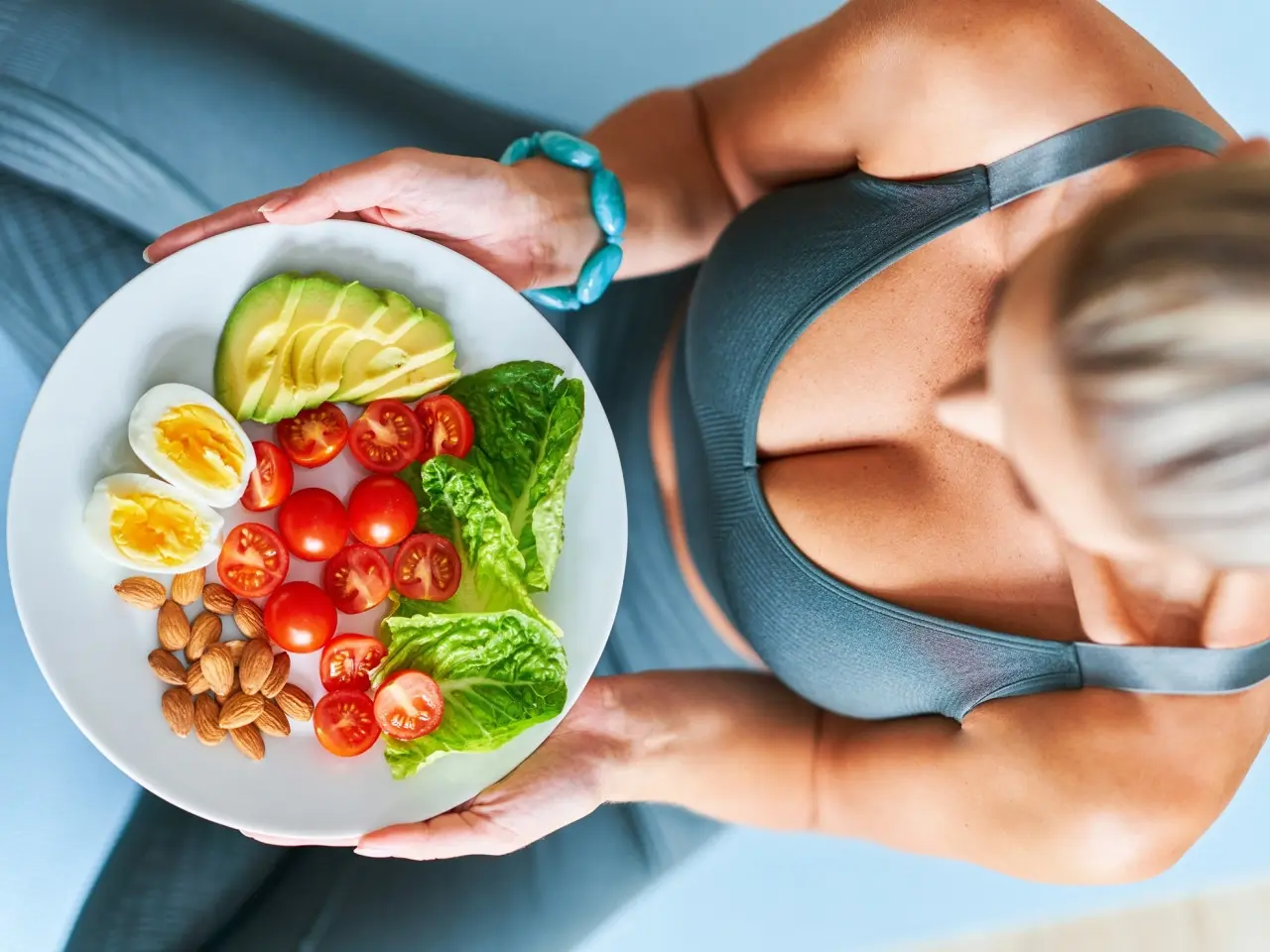
Sample day: breakfast—Greek yogurt, berries, walnuts. Lunch—chickpea and tomato salad with olive oil dressing. Snack—apple and almonds. Dinner—grilled fish, quinoa, roasted Brussels sprouts.
Twice a week, replace a dessert with fruit and a handful of nuts.
A Houstonian’s Take
The Mediterranean diet is better positioned as a lifestyle commitment than a temporary diet. It focuses on whole grains, legumes, healthy fats such as olive oil, lots of colorful fruits and non-starchy vegetables, moderate fish and poultry, and minimal red meat and sweets. In Houston, that model aligns perfectly with sprawling food availability. Tailoring requires consideration and decisions that honor area palates and schedules.
Navigating Food Culture
Shifting from typical Western eating patterns in Houston means facing familiar obstacles: frequent dining out, large portion sizes, and menus heavy on fried or starchy sides. Begin by choosing non-starchy vegetables—peppers, lettuce, tomato—rather than fries, corn, or potato dishes. If you visit some of the hot Houston spots, just request grilled meats, replace rich sauces with olive oil and lemon, and opt for double veggies instead of bread.
Social events revolve around calorie-laden foods. Bring a Mediterranean-style dish like an easy chickpea salad with herbs, cucumber, and olive oil. At barbecues, opt for grilled fish or marinated chicken, and swap hummus and veggie platters for chips and gooey dips. These swaps maintain taste and suit cultural contexts.
Embrace the diet as tasty, not boring: try shakshuka for breakfast, whole-grain tabouleh as a side, or a shrimp and tomato stew that echoes local Gulf tastes. Flexibility is key; its plan eliminates no food group and permits guilt-free treats once in a while.
Environmental Factors
Houston’s climate lends itself to all-year farmers markets and community gardens, making it easier to get fresh veggies if you look beyond the grocery store. Seasonal farmers’ markets tend to have Mediterranean-friendly fare such as eggplant, tomatoes, basil, and peppers. Environmental challenges, including heat, transit, and storm-related supply disruptions, can impact freshness and cost.
Buy frozen vegetables and sustainably caught fish as a backup. Frozen preserves nutrition when fresh is lean. Plant herbs and some small vegetables at home in containers—rosemary, oregano, parsley, cherry tomatoes—to help infuse freshness and minimize errands.
Choose sustainable seafood and local produce whenever you can to align with Mediterranean principles and minimize environmental impact.
Community Support
Community structure is what’s important for retaining changes. Attend community cooking classes or nutrition workshops that break down Med recipes and time-saving prep. Fertility and diet peer groups or online communities maintain the buzz. Some folks feel more energetic and healthy after incorporating fruits and veggies.
Collaborate with RDNS and fertility teams in Houston to customize the plan, particularly if you’re an IVF patient. Trying this strategy requires patience, preparation, and persistence, nutritionally speaking. Regular intake of key nutrients, such as vitamin E, folate, and zinc, nourishes healthy eggs and sperm and can boost conception and live birth rates.
Clinical Evidence
Much of the evidence connecting Mediterranean diet patterns and fertility comes from prospective cohorts. A number of large cohorts find that greater Mediterranean diet scores are associated with better markers of fertility and a greater likelihood of conception.
One systematic review of seven observational studies found that women under 35 with greater adherence to the Mediterranean pattern had higher clinical pregnancy and live birth rates. For example, one study utilizing a 0 to 9 Mediterranean Diet Score reported a mean of 4.8 ± 1.3, demonstrating modest adherence in many samples and facilitating comparisons between populations.
Other cohort work connects greater maternal preconception diet quality to assisted reproductive technology results too. Each one-unit increase in a nutritional risk score based on Dutch Dietary Guidelines corresponded with a 65 percent rise in ongoing pregnancy following the initial assisted reproductive technology cycle.
Not all high-quality trials confirm those cohort findings. A randomized controlled trial of a preconception dietary intervention in women undergoing IVF detected no significant association between Mediterranean Diet Score and oocyte count, embryo quality, clinical pregnancy, or live birth.
Mixed results appear in the ART literature: some studies show better embryo yield and ovarian response with Mediterranean-style intake, while others find no clear link to ultimate assisted reproductive technology (ART) success. Narrative reviews summarize this varied literature and note heterogeneity in study design, dietary assessment methods, and participant age as key reasons for inconsistent results.
Evidence on pregnancy complications and reproductive hormones is more consistent in direction than absolute magnitude. Several observational studies report reduced risks of gestational diabetes, preterm birth, and hypertensive disorders with greater adherence to Mediterranean eating patterns.
Mechanisms proposed include improved insulin sensitivity, reduced systemic inflammation, and favorable lipid profiles, which can affect endometrial receptivity and placental development. Studies assessing reproductive hormones show modest improvements in markers such as sex hormone-binding globulin and androgen levels, though changes vary by baseline metabolic status.
Male fertility outcomes are included in the clinical evidence. Several studies find a positive correlation between Mediterranean diet adherence and sperm quality, including concentration, motility, and morphology. This indicates diet can impact fertility via both partners.
Highlighting key nutrients and benefits below for quick reference.
| Nutrient | Typical sources | Potential benefit for fertility |
|---|---|---|
| Monounsaturated fats | Olive oil, avocados | Improve insulin sensitivity, reduce inflammation |
| Omega-3 fatty acids | Fatty fish, walnuts | Support sperm quality, modulate inflammation |
| Antioxidants (vitamins C, E) | Fruits, vegetables, nuts | Protect gametes from oxidative stress |
| Folate | Leafy greens, legumes | Support early embryo development, reduce neural defect risk |
| Fiber | Whole grains, legumes | Improve glycemic control, gut health |
| Vitamin D | Fatty fish, fortified foods | Linked to ovarian function and implantation |
Houston Lifestyle Synergy
The Mediterranean lifestyle synergy aligns perfectly with Houston’s hyperactive and diverse culture by weaving together diet, movement and social life into a fertility-supporting lifestyle plan. Lifestyle synergy means these pieces — what you eat, how you move and who you spend time with — work together to create a healthier you.
In Houston, they’ve long been fans of Mediterranean staples such as whole grains, fruit, vegetables, olive oil, nuts and fish — and those choices pair naturally with local fitness options and community life.
Stress Management
Embrace family dinners and conscious consumption to reduce anxiety. Splitting meals with pals or kin resonates with Mediterranean custom and helps reduce cortisol surges that might damage reproductive health. Mindful eating does the same.
It decelerates your pace, enhances digestion, and can alleviate your stress around food and body. Reduced stress connects to enhanced fertility results via a more balanced hormone environment, improved sleep, and more.
As we know from my friend BJ Fogg, tiny habits like a brief post-meal walk or a five-minute breathing pause can change a day’s stress balance and accumulate over weeks. Add a few minutes of easy relaxation to your healthy diet.
Try progressive muscle relaxation after a light Mediterranean-style supper: whole-grain couscous, grilled fish, and a side salad with olive oil and lemon. Keep caffeine to a minimum and prioritize hydration with water or herbal tea.
- Eat omega-rich fish, such as salmon and sardines, for mood and inflammation control.
- Choose walnuts and almonds for quick stress-buffering snacks.
- Substitute extra-virgin olive oil for butter to reduce saturated fats.
- Dine with friends or participate in a community supper club to create social connections.
- Practice short daily meditation or breathing exercises after meals.
- Don’t eat heavy meals late at night and keep your screens low. Get sleep.
Physical Activity
Exercise synergizes with the Mediterranean diet and enhances fertility by regulating hormones and keeping weight in check. Exercise enhances insulin sensitivity and may reduce systemic inflammation, both pertinent to reproductive function.
Pair nourishing food with regular activity. For example, schedule a Mediterranean breakfast of Greek yogurt, fruit, and oats, a brisk 30-minute walk in the afternoon, and an easy evening bike ride. Hormones react to both fuel and movement.
Our friendly city of Houston has group fitness classes, park trails and community sports that reflect those Mediterranean social exercise models. Combine social support with movement.
Join a walking group, weekend paddle session or outdoor boot camp. Plan a weekly hybrid of food and fitness. Shoot for three plant-based and lean protein-based meals, two strength sessions, and four moderate cardio sessions.
Add in little modifications such as stairs or walking parts of commutes. Begin with a tin, stack up slowly, and customize to the individual.
Pregnancy Health
The Mediterranean diet reduces the risk for multiple pregnancy complications and promotes healthier parental outcomes. Its emphasis on vegetables, fruits, whole grains, legumes, nuts, olive oil, and moderate fish intake is associated with decreased incidence of gestational diabetes, preeclampsia, and miscarriage. This occurs in part through improved blood sugar regulation, lower inflammation, and high levels of antioxidants that blunt oxidative stress, which can damage eggs, sperm, and early embryos.
The diet provides important nutrients from whole foods, not supplements. Omega-3 fatty acids from fatty fish, such as salmon, mackerel, and sardines, support fetal brain and eye development and possibly fertility. Most health organizations recommend at least two servings, approximately 200 to 300 grams per week, of fatty fish to meet needs.
Iron from legumes, lean meats, and leafy greens reduces the risk of anemia. Folate from beans, lentils, and greens helps prevent neural tube defects. Calcium and vitamin D from dairy, fortified plant milks, and oily fish promote bone health. The diet is loaded with antioxidants from berries, tomatoes, citrus, and olive oil, which reduce oxidative stress and inflammation that may impair fertility and pregnancy progression.
Keeping your blood sugar steady and your weight in check is key. Core features of the Mediterranean pattern are low-glycemic whole grains, fiber-rich legumes, and healthy fats, all of which blunt post-meal glucose spikes and improve insulin sensitivity. For people with polycystic ovary syndrome (PCOS), this matters.
Improved insulin action and better lipid profiles, aided by omega-3 intake, may reduce symptoms and improve ovulation. For men, diet matters as well. Research connects near-strict adherence to the Mediterranean pattern with increasing sperm concentration, motility, and morphology, which are three common measures involving male factors in up to 50% of infertility cases.
Practical food and nutrient checklist for pregnancy health on a Mediterranean plan:
- Two weekly servings of fatty fish (200 to 300 grams total) for omega-3s.
- Vegetables and fruit daily provide antioxidants and folate.
- Legumes should be consumed a few times a week for fiber, folate, and plant protein.
- Nuts and seeds for healthy fats and micronutrients.
- Olive oil as primary fat source to reduce inflammation.
- Whole grains instead of refined carbs help to level blood sugar.
- Lean poultry, eggs, and moderate dairy provide protein, iron, calcium, and vitamin D.
Timing matters: Start the Mediterranean pattern at least three months before trying to conceive, since sperm mature in about two and a half to three months and eggs in three to four months. Case-controlled evidence indicates improved conception rates with diet adherence, so plan menus and grocery lists around these foods to keep the transition manageable and consistent.
Conclusion
Houston Fertility Diet: A Mediterranean-style plan that suits both Houston life and health. It focuses on whole grains, fresh fruits and vegetables, lean fish, beans, nuts, olive oil and moderate dairy. Dishes such as grilled salmon with farro and a side of roasted vegetables increase omega-3s, fiber and iron. Tiny changes, like fruit instead of sweets or water instead of sugary drinks, make obvious improvements in weight, blood sugar and egg quality. Clinicians connect this pattern to increased pregnancy rates and improved pregnancy health. Combine the plan with consistent sleep, stress care and light exercise such as walking in neighborhood parks. Take a two-week test of the plan and maintain a minimalist food journal to record your performance and feelings side-by-side.
Frequently Asked Questions
What is the Mediterranean diet and how does it help fertility?
The Mediterranean plan focuses on vegetables, fruits, whole grains, legumes, nuts, olive oil, fish, and moderate amounts of dairy. It minimizes inflammation and promotes hormonal balance, which can enhance the quality of eggs and sperm and increase the chances of conception.
Can a Houston-based Mediterranean plan fit local food options?
Yes. Houston’s fabulous markets have all the Mediterranean essentials—fresh fruits and vegetables, fish, olive oil, nuts, and beans. Exchange local seasonal produce for nutrient diversity without losing the essence of Mediterranean.
How soon will dietary changes improve fertility?
Certain advantages surface in three months, which is the length of an ovarian cycle. Sperm quality can improve in around two to three months. Consistency beats quick fixes for meaningful improvements.
Are there clinical studies supporting this diet for fertility?
Yes. Several peer-reviewed studies connect Mediterranean-style eating to increased pregnancy rates and improved sperm parameters. Research points to lower inflammation and better metabolic health as the main reasons.
Should I combine diet with other lifestyle changes in Houston?
Yes. Pair the diet with exercise, sleep, stress reduction, and moderate alcohol consumption and smoking. These shifts maximize both fertility benefits and total pregnancy wellness.
Do I need supplements with a Mediterranean fertility plan?
Usually, yes. Common supplements include folic acid, vitamin D, and prenatal multivitamins. Work with your physician or fertility doctor to customize supplements.
Is the Mediterranean plan safe during pregnancy?
Overall yes. It provides balanced nutrition and promotes healthy weight gain. Maintain prenatal supplements and adhere to your clinician’s advice for any pregnancy-specific modifications.